

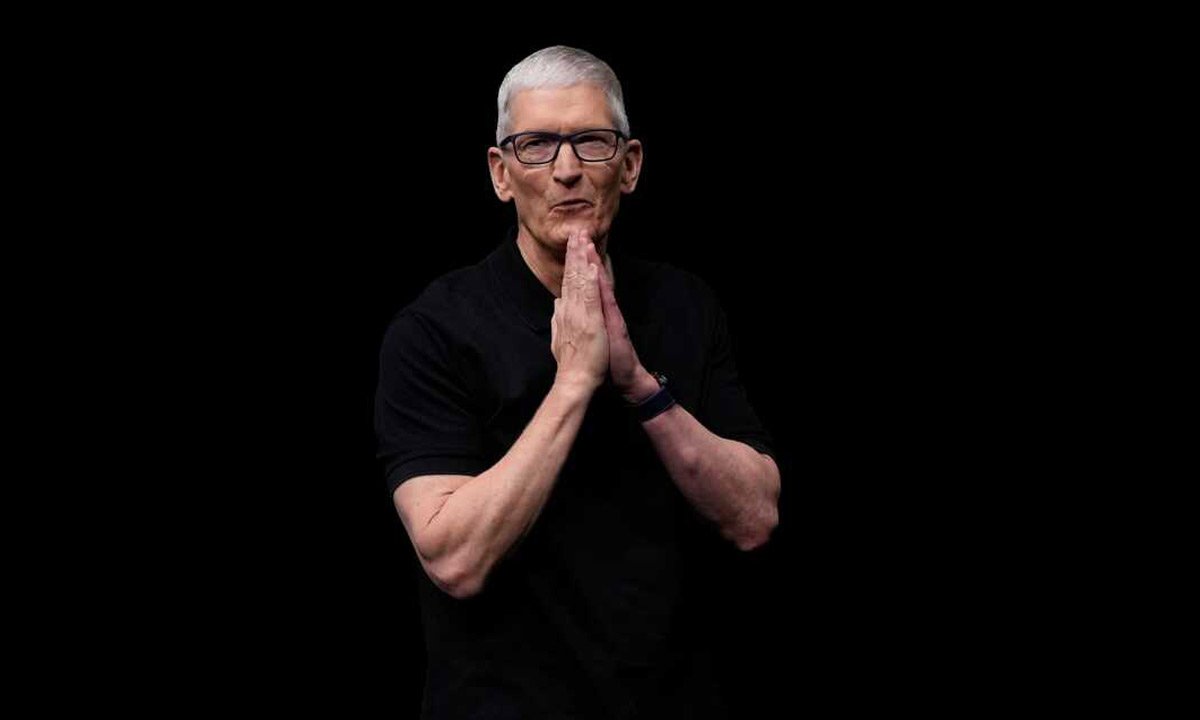
When Tim Cook stepped into the CEO role at Apple Inc. in 2011 following the passing of Steve Jobs, the expectations were enormous. Jobs had built Apple into one of the world’s most influential technology companies, and many wondered whether Cook could preserve that momentum or simply act as a steward of Jobs’ legacy. Nearly 15 years later, the answer is clear. Cook didn’t just maintain Apple’s success but even expanded it dramatically, turning the company into the first to cross the $4 trillion market valuation milestone and cementing its position as the world’s most powerful technology brand.
Now, Cook is preparing to step down as CEO, handing over leadership to Apple’s head of hardware engineering, John Ternus, on September 1. Cook will remain involved with the company as executive chairman, closing a historic chapter in Apple’s leadership while ushering in a new era for the Cupertino giant. Ahead of that, let us take a look at some of his biggest achievements during his time as CEO.
1. Turning Apple Into the World’s Most Valuable Company
The most obvious metric of Cook’s success is Apple’s staggering financial growth. When he assumed the CEO role in 2011, Apple’s market capitalisation stood at roughly $350 billion. Over the following decade and a half, that number ballooned to more than $4 trillion, which was an increase that few companies in history have achieved. Annual revenue tells a similar story. Apple generated about $108 billion in revenue in 2011. By 2025, that figure had climbed to over $416 billion, driven by hardware sales, services, and a tightly integrated ecosystem of devices. Cook’s reputation as a supply-chain expert played a huge role here. His operational discipline allowed Apple to scale production globally while maintaining margins that most consumer technology companies could only dream of.
2. Taking the iPhone to Unmatched Global Scale

The Apple iPhone may have been launched before Cook became CEO, but its transformation into a global economic engine largely happened under his leadership. Through successive generations of the device, Apple refined its formula of premium design, powerful processors, and tightly integrated software.
More importantly, Cook oversaw the expansion of the iPhone ecosystem from App Store revenues to accessories and services. The smartphone became the central gateway into Apple’s world, connecting users to everything from payments to entertainment. In many ways, the iPhone became the economic backbone that funded Apple’s expansion into new categories.
3. Launching the Apple Watch and Entering Health Tech

One of the first major new product categories introduced during Cook’s tenure was the Apple Watch. Released in 2015, the device marked Apple’s first entirely new hardware category since the iPad. Initially seen as a lifestyle gadget, the Apple Watch evolved into a serious health and fitness platform. Features like heart-rate monitoring, ECG readings and activity tracking transformed it into one of the most advanced consumer health devices on the market. Today, the Apple Watch dominates the global smartwatch segment and plays a central role in Apple’s broader push into digital health.
4. Turning AirPods Into the Face of Wireless Audio

When Apple AirPods were introduced in 2016, they were mocked for their unusual design, and Apple also faced a lot of flak for removing the headphone jack. Yet within a few years, they had become one of Apple’s most recognisable and commercially successful products. AirPods effectively defined the true wireless earbuds category, combining seamless pairing with Apple devices, impressive battery life and increasingly advanced audio technologies. They also helped establish Apple’s wearables division as a massive business unit in its own right, generating billions in annual revenue.
5. Building a Services Powerhouse
Cook also recognised that Apple’s long-term strength could not depend solely on hardware. Under his leadership, the company invested heavily in digital services that would generate recurring revenue. Platforms such as Apple Music, Apple TV+, Apple Pay and iCloud transformed Apple into a hybrid hardware-and-services ecosystem. These platforms not only created new revenue streams but also deepened customer loyalty by tying users more closely to Apple’s devices.
6. Leading the Shift to Apple Silicon
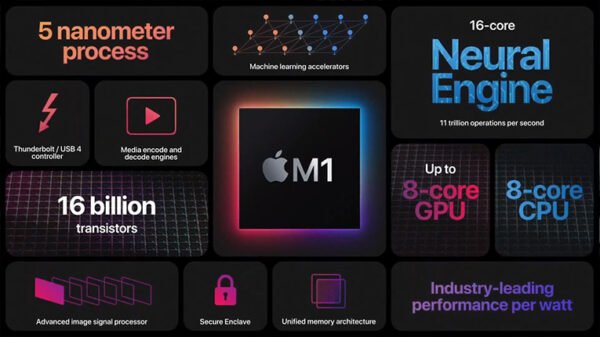
Another major milestone during Cook’s tenure was Apple’s decision to design its own processors for Mac computers. The transition to Apple Silicon fundamentally reshaped the Mac lineup, delivering massive gains in performance and battery efficiency. By controlling both hardware and chip design, Apple gained unprecedented optimisation across its devices. The move also reduced dependence on external chip manufacturers and reinforced Apple’s reputation for tightly integrated product design.
7. Entering the Era of Spatial Computing
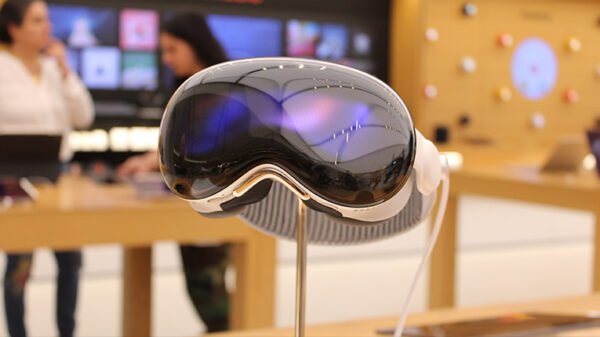
Cook also steered Apple toward the next frontier of computing with the introduction of the Apple Vision Pro. The device marked Apple’s first step into spatial computing, which is a concept that blends augmented and virtual reality to create immersive digital environments. While still an emerging category, the Vision Pro signals Apple’s ambition to define how people interact with digital content beyond traditional screens.
8. Shaping Apple’s Identity Around Privacy and Responsibility
Cook’s leadership also reshaped Apple’s values in the public eye. He positioned the company as a strong defender of user privacy, introducing features that limit tracking and give users more control over their data. At the same time, Apple expanded its commitments to sustainability, pledging to achieve carbon neutrality across its supply chain and products. These initiatives helped redefine Apple not just as a technology company but as a global brand increasingly focused on ethics, privacy and environmental responsibility.
As Cook prepares to hand over the CEO role to John Ternus, he leaves behind a company that is larger, richer and more influential than ever before. If Steve Jobs built Apple’s vision, Tim Cook built its empire.