


I still remember the day I unboxed my first OnePlus phone like it was yesterday. It was the OnePlus One, back in late 2014. The sandstone finish was satisfying, and the lightning-fast performance came at a price that made flagship phones from Samsung and Apple look ridiculous. “Never Settle” wasn’t just a slogan; it was a promise. A promise that a scrappy underdog could deliver premium specs without the premium tax. Fast forward to 2026, and that promise feels like a distant memory. OnePlus, as the independent, community-driven brand we loved, is effectively exiting the North American and European markets.
This isn’t a full shutdown. The company will continue in China and India, likely as more of an Oppo sub-brand focusing on mid-range and budget devices, while Oppo pushes flagships. But for many users in the West, it marks the end of an era. In this report, I’ll reflect on OnePlus’s unique community, its impactful phones, and my thoughts on the brand’s current situation, based on years of following them and observing industry changes.
What OnePlus Was: The Flagship Killer That Changed the Game
OnePlus burst onto the scene in 2014 with the OnePlus One, co-founded by Pete Lau and Carl Pei after leaving Oppo. Priced at around INR 18000, it packed a Snapdragon 801, 3GB RAM, a 5.5-inch Full HD display, and a clean CyanogenMod-based software experience. In an era when flagships like the Galaxy S5 or iPhone 6 cost twice as much, this was revolutionary. It earned the “Flagship Killer” moniker instantly.
The invite-only sales system created massive hype and scarcity. People were smashing old phones in videos for a chance to buy one. It sold over a million units despite limited expectations. OnePlus wasn’t just selling hardware; it offered affordable excellence, transparency, and a direct connection to users through forums and AMAs.
Early OxygenOS was built on that. It was near-stock Android with thoughtful tweaks: the alert slider (borrowed and perfected), smooth animations, and none of the bloat that plagued other Chinese brands. OnePlus listened to feedback. They iterated quickly. The OnePlus 2 followed in 2015, then the 3 and 3T in 2016, which introduced Dash Charge, a game-changer for battery anxiety. Half an hour for a day’s power? Revolutionary at the time.
I owned several over the years. The 3T felt like a daily driver that punched way above its weight. The 6 and 6T brought notch designs and better cameras while keeping prices sane. OnePlus wasn’t afraid to experiment, including pop-up cameras on the 7 Pro, the McLaren editions with unique designs and charging speeds. They built foldables like the OnePlus Open too. For a while, they felt like the enthusiast’s choice in a sea of corporate sameness.
Why OnePlus Built a Big Community Unlike Others
What set OnePlus apart wasn’t just specs; it was the community. Unlike Samsung or Xiaomi, which often felt distant or marketing-heavy, OnePlus allowed a genuine two-way street. Their forums were legendary. Users reported bugs, suggested features, and sometimes saw them implemented. Carl Pei’s charismatic presence on social media and events made fans feel seen.
I remember participating in early beta programs. The sense of ownership was real. OnePlus hosted events, gave away invites, and engaged directly. This created loyalty that transcended typical brand fandom. Even as they grew, the “Never Settle” spirit resonated with tinkerers, developers, and value seekers who hated paying INR 80000+ for phones with marginal upgrades.
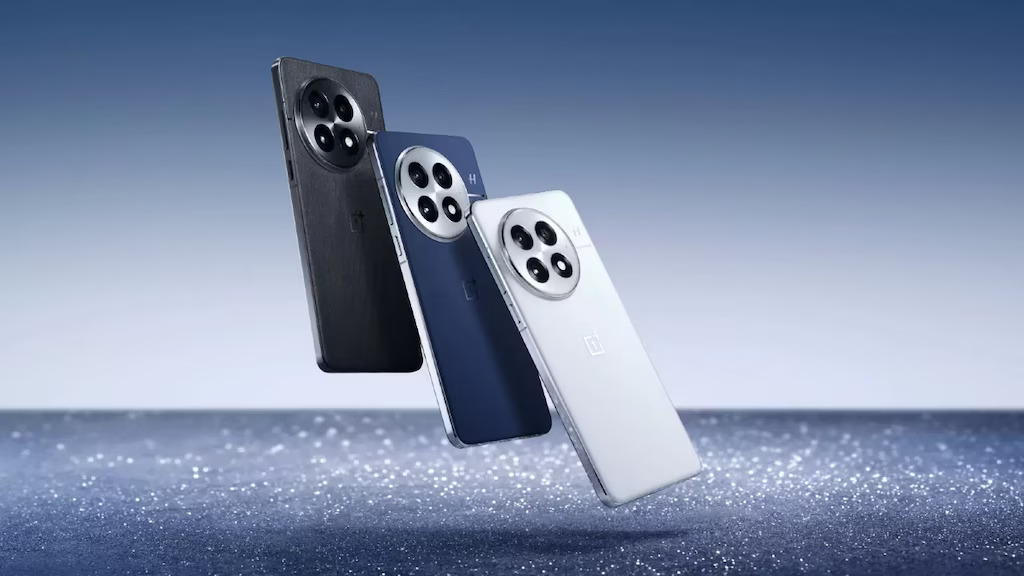
Other brands had communities, but OnePlus felt like a club. Reddit threads, XDA forums, and official OnePlus communities buzzed with custom ROMs, mods, and discussions. People stuck with the brand across multiple devices because it represented something bigger: resisting the premium creep in smartphones. In a market dominated by Apple and Samsung’s duopoly, OnePlus offered an alternative that felt rebellious and smart.
That community is hurting now. Forums are filled with nostalgia and disappointment as support shifts toward ColorOS and new flagships dry up in key regions.
Breakthrough Phones That Defined the Brand
Several models stand out in my experience and the brand’s history:
- OnePlus One (2014): The originator. It proved the model worked and set the template.
- OnePlus 3/3T (2016): Refined build quality, Dash Charge, and excellent performance. The 3T was my daily driver for years, which was reliable, fast, and buttery smooth.
- OnePlus 6/6T (2018): Mainstream breakthrough. Better cameras, an in-display fingerprint sensor (on the 6T), and aggressive pricing helped sales soar. It felt like OnePlus had arrived.
- OnePlus 7 Pro (2019): Pop-up camera for an edge-to-edge display, 90Hz refresh rate, and premium feel. It was a statement piece.
- Later models like the OnePlus 11/12 series and 12R still delivered great value, with the R models echoing the old flagship-killer spirit in the mid-range. The 12R, for instance, reminded many of why we fell in love. It was a strong performance without flagship pricing.
These phones weren’t perfect (early cameras lagged, software had quirks), but they delivered 80-90% of the flagship experience at a better value, with personality.
Why They’re Moving Out: My Speculation
The official line is a “responsible” strategic shift: “the right brand does the right thing in the right market.” OnePlus will focus on China and India, with existing Western devices getting support (for now) before transitioning to ColorOS. Stock will sell out, but no new launches in NA/EU.
From my perspective, watching the brand evolve, several factors are linked:
- Parent Company Influence (Oppo): OnePlus became a subsidiary around 2021-2022. Integration deepened with shared tech and software convergence. Oppo wants to consolidate. Flagship efforts shift to Oppo’s Find X series (like the Find X9 Pro/Ultra, which are getting praise), while OnePlus handles mid-range/budget under the umbrella. Overlap made the independent OnePlus redundant.
- Market Realities and Competition: The smartphone market is tough. Apple and Samsung dominate the West. Chinese brands face scrutiny, tariffs, and carrier challenges. OnePlus lost carrier deals, retail presence (e.g., fading from Best Buy), and market share. Prices crept up, diluting the “killer” appeal. In India, a key market, sales dropped sharply (32%+ YoY in some reports). Global shipments stagnated while Oppo grew.
- Loss of Identity and Leadership: Carl Pei left to found Nothing, taking some of that rebellious spirit. Pete Lau and others navigated Oppo’s structure. Hardware became solid but less distinctive, more Oppo sibling than unique underdog. Software moved toward ColorOS, eroding the clean OxygenOS charm. Innovation slowed as the market matured; diminishing returns on specs made it harder to prove value.
- Broader Industry Pressures: Rising component costs, AI focus, and consolidation. Smaller players struggle against giants. Asus scaled back phones; others face similar fates. OnePlus couldn’t sustain independent global ops amid slowing growth.
Speculatively, this is cost-cutting and brand rationalization by BBK/Oppo. OnePlus, as a standalone player, wasn’t scaling profitably enough. Better to leverage Oppo’s strengths in premium and use OnePlus for volume in Asia. It’s business, but it stings for fans who bought into the dream.
A Personal Farewell and What’s Next
I’ve used OnePlus phones as primaries for nearly a decade. They were reliable companions through travels, work, and late-night tinkering. The community forums, the excitement of launches, the feeling of getting a great deal, it all added up to something special. I’ll miss that.
For current users, support will continue for a while, warranties will be honoured, and updates are promised (though they are shifting to ColorOS). But buying new now carries risks, with no fresh inventory on the way.
Alternatives? Nothing (founded by Carl Pei), Google Pixel for software, Samsung for ecosystem, or other value players. The industry loses some of its dynamism with OnePlus stepping back in the West.
OnePlus taught us we didn’t have to settle. Even in exit, that lesson lingers. Here’s hoping whatever emerges from the Oppo integration carries forward some of that original fire. Never Settle… indeed.
1 Comment
Pingback: Final OnePlus 16 Specs and Latest Features, Claims Tipster