


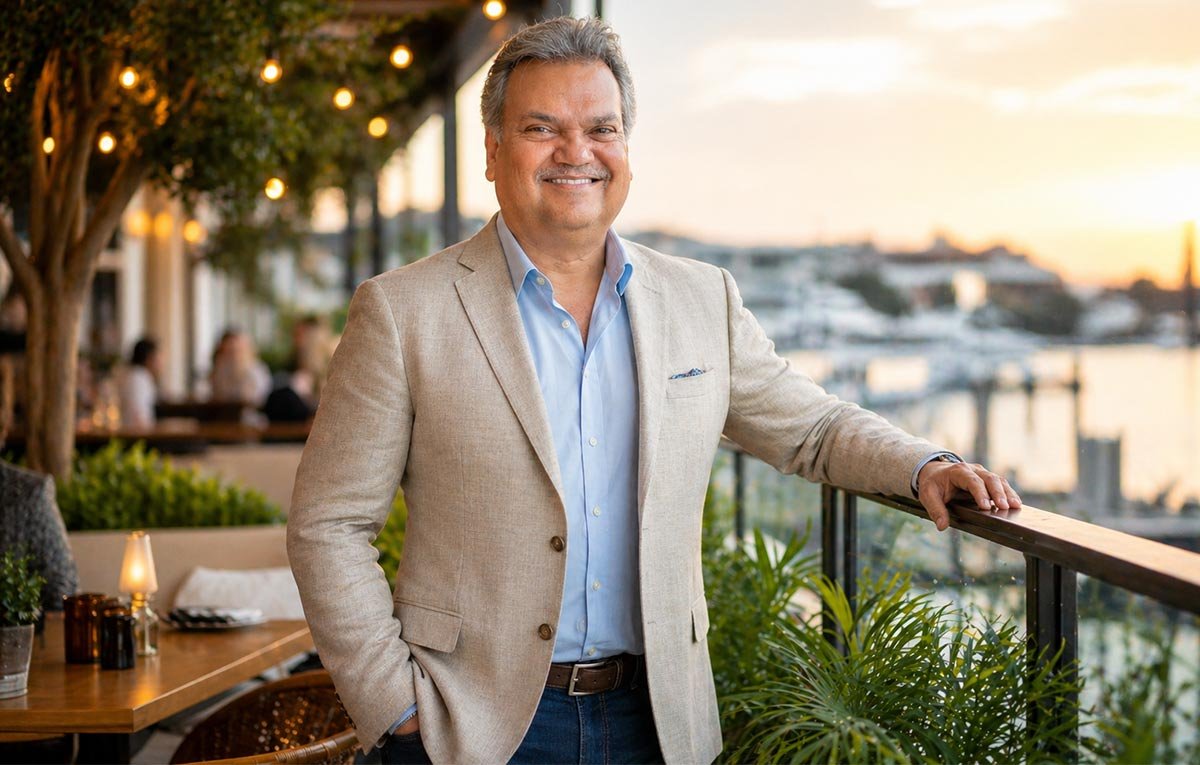
For Rajeev Singh, Managing Director of BenQ India and South Asia, lasting success comes from making bold decisions, adapting to change, and staying focused on long-term value over short-term gains. From reshaping BenQ’s product strategy to navigating the rapid rise of AI, Singh believes technology should empower people while leaders prepare their teams for an evolving future. In this edition of Tech Titans, he shares his perspectives on leadership, innovation, Gen Z, sustainability, and the importance of building brands that earn trust over time.
A personal habit or ritual that quietly shapes how you make big decisions?
Before any big decision, I go quiet. I stop talking about it and start watching – paying attention to what the numbers actually say, not what I want them to say. Data earns my trust before instinct does.
Once the information is in, I let it sit. Not to stall, but to settle. There’s a difference between delay and deliberation – I never confuse the two. When the picture is clear and the timing is right, the decision makes itself.
One childhood incident that shaped who you are today?
Growing up, we moved every few years – new city, new school, new faces. At first, that’s a hard thing for a child to carry. But somewhere along the way, it stopped feeling like loss and started feeling like training.
Each move taught me to read a room quickly, earn trust fast, and never grip too tightly to how things are. Many postings were far from cities – deep in areas where the jungle was closer than the nearest market. Most people find that isolating. I found it grounding.
That’s probably why, even now, I’m drawn to places off the map. Visiting them isn’t a hobby – it’s a return.
Thoughts on Gen Z work culture, and how do you align with them?
Gen Z doesn’t show up looking for a job. They show up looking for a reason. My real learning came from the room itself – guest lectures at IIMs, sitting across from students who challenge assumptions with clarity, not arrogance.
What I’ve carried into how I lead is simple: don’t wait for young talent to prove themselves before giving them real responsibility. Extend ownership from day one – earlier and more genuinely than most organisations are comfortable with. This generation doesn’t grow by being observed. They grow by being trusted.
The biggest lie the industry is telling itself about AI?
That it’s in control of it. It isn’t, and the bigger players know it. They’ve simply chosen silence over candour.
The impact on jobs is not a future concern. It’s happening now. And the companies profiting most from AI are the ones most obligated to fund what comes next. Not pilot programmes. Not press releases. Structured, committed reskilling is built into the business model.
The industry loves to talk about AI as a tool for human empowerment. That story only holds if we’re willing to pay for it. Responsibility isn’t a value statement. It’s a line item.
A problem that still keeps you awake at night?
Our negligence toward nature shows at every level. The individual, the government, the corporation – all guilty of the same thing. The resources exist. The technology exists. But environmental protection keeps getting treated as optional.
That’s what I can’t shake: we’re not short on means, we’re short on urgency. And every day we postpone treating this as a current crisis, the cost goes up for everyone.
A decision that looked risky at the time but didn’t turn out to be?
Ten years ago, we discontinued our entire entry-level monitor range overnight – shrinking the business to a quarter of its size. The volumes we walked away from were real. The risk was real.
But so was the conviction: that when the market matured, buyers would stop shopping generically and start shopping specifically. The photographer would want colour accuracy. The gamer would want performance. The creative professional would want something built for their workflow.
We bet on that future before it arrived. We held through the uncomfortable years, built a deeply diversified portfolio, and stayed focused on doing fewer things far better. Today we are market leaders – not despite that decision, but entirely because of it.
Gadgets you use every day?
I’ve been a long-time Apple person – not out of habit, but genuine appreciation for how tightly the hardware and software work together. I respect that they haven’t chased AI for the sake of it. That restraint is underrated.
Beyond that, I’m a BenQ user – not just by association. My desk runs the MA Series monitor paired with the ScreenBar. And when I travel, the portable projector comes with me. Whether it’s a presentation or unwinding in a hotel room, it earns its place in the bag every time.
What do you hope people say you changed, decades from now?
That I made BenQ a name people truly trust.
When I took the helm fifteen years ago, BenQ was far from a household name in India. The easier path would have been to chase volumes or follow the market. I didn’t.
What makes me proudest isn’t any market position. It’s the moments I least expect – travelling to remote parts of this country and coming across a BenQ product over a decade old, still running, still used daily. No campaign can manufacture that. That’s a product that did its job so honestly that someone never felt the need to replace it. That’s what a real consumer brand looks like.
If people look back and say we built something people genuinely believed in – that’s the only legacy worth having.
What’s harder: taking a bold decision or sticking with it when things go wrong?
Taking the bold decision gets all the credit but that’s the easier part. You think it through, back your conviction, make the call. There’s even an energy to it.
What’s harder is what comes after holding your ground long enough to give the decision room to breathe.
But the hardest part? Knowing when to course correct. Accepting that a decision you owned publicly, that you defended through doubt and pressure, may have been wrong. The bold decision brings outside pressure. Course correcting means facing your own judgment. That’s always the harder one.
What part of AI excites you and what quietly worries you?
What excites me is the democratisation of knowledge, access no longer gated by geography or privilege. Used well, that’s the great equaliser of our time.
But the worry sits just as close. The job market is being reshaped faster than people are being prepared for. And we are simply not ready for the pace of what’s coming.
What worries me most: at what point does the tool start making the decisions? We built AI to serve us. The possibility of it becoming the other way around is no longer science fiction.
Rapid Fire
- Books you swear by: Think and Grow Rich by Napoleon Hill. I first read it in the early 2000s. What surprises me is how often I return to it because something in it holds up regardless of where you are in life. Each time, I find something I either missed or needed to hear again.
- Current car: A Mercedes-Benz AMG GLC 43 Coupé. 400 bhp. I drive it the way it’s meant to be driven. But I also bought it with a clear conviction that cars like this are going away. The sound, the feel, the rawness of a real sports engine. Something will be lost in the shift to electric, and I wanted to have that while it lasts.
- Dream car/bike: The Yamaha RX100. I’ve owned one, and anyone who has will tell you there’s nothing quite like it. That two-stroke engine, that sound, that simplicity. I can’t ride it in Gurgaon today, but I don’t want it for the riding anymore. I want one to keep. A reminder of an era of motoring we’re never getting back.
- Fitness gadget: The Apple Watch Ultra. For me, it’s less about the features and more about the discipline it quietly enforces. When the data is in front of you, it’s harder to make excuses.
- Go-to AI tool: Claude. It thinks before it answers, and that matters to me.
- Quote you live by: Learning every day!
- Podcast recommendation: The Joe Rogan Experience