

We’ve all hit the wall. You’re deep into a workflow, querying ChatGPT or Gemini, and suddenly the generation halts. Or worse, you hit the dreaded usage cap, accompanied by the inevitable prompt to upgrade your subscription. For a busy office, AI has transitioned from a novelty to an absolute necessity; we rely on it for deep research, content scripting, heavy image generation, and everyday productivity. However, scaling individual monthly subscriptions across an entire organization quickly turns into a massive, recurring overhead.
We decided it was time to cut the cord. To take control of our data, eliminate the monthly drain, and guarantee uninterrupted performance, we undertook a project to build our own dedicated AI server, the one that everyone in the office can tap into, with zero subscriptions required.
The Hardware Arsenal
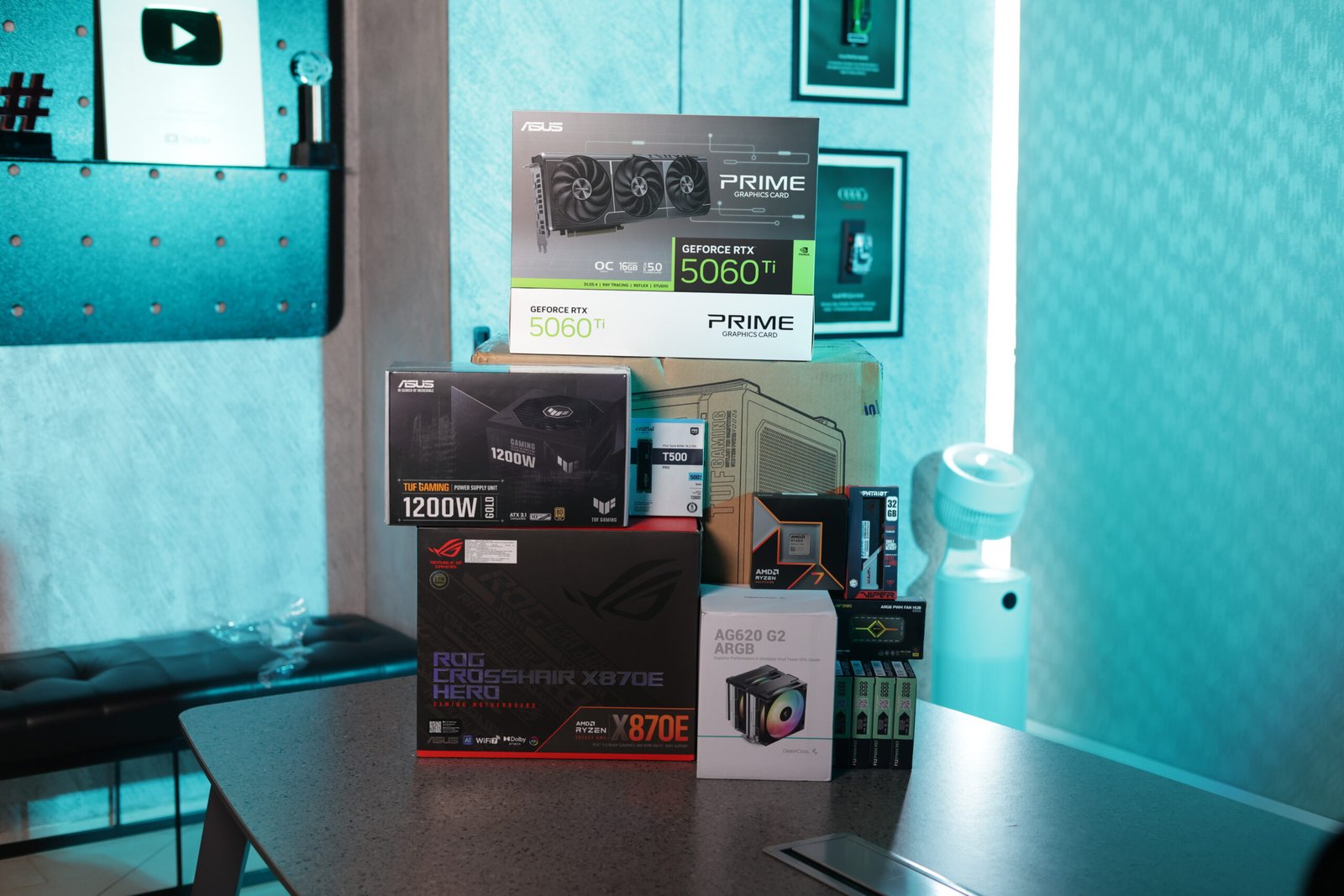
Building a machine capable of juggling large language models and concurrent office requests requires precision. Here is the hardware we selected and why it makes the perfect AI powerhouse.
AMD Ryzen 7 9700X
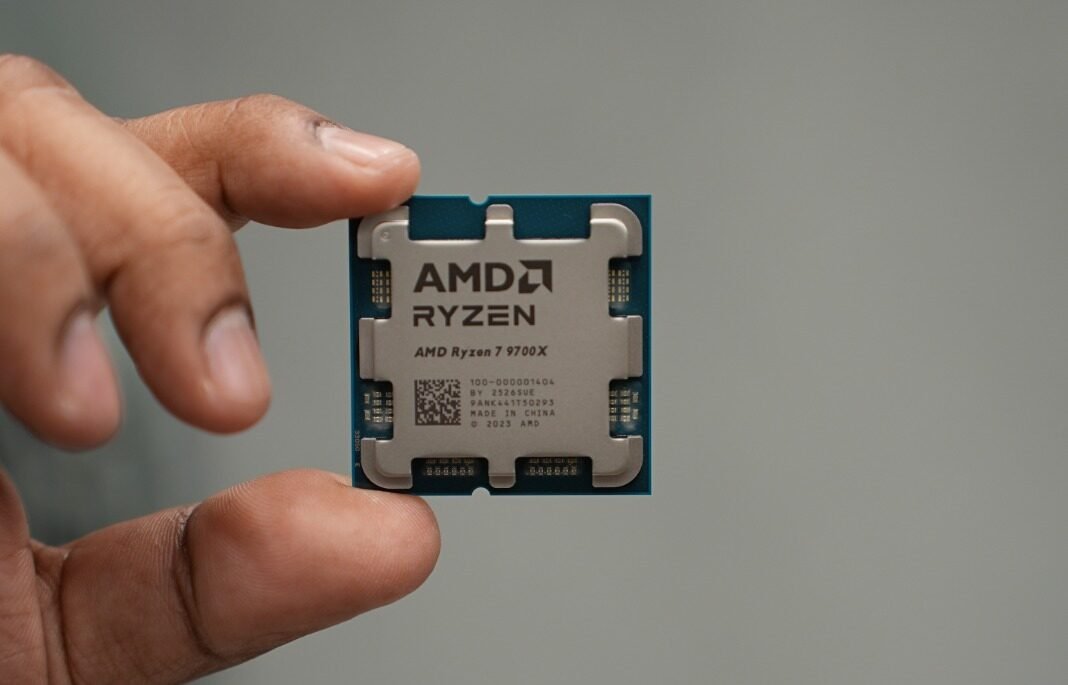
The brain of the operation. With 8 cores and 16 threads, this processor offers the perfect starting point for local AI. It has more than enough compute power to handle system overhead, model loading, and simultaneous API requests without breaking a sweat.
Deepcool Air Cooler AG620 BK ARGB
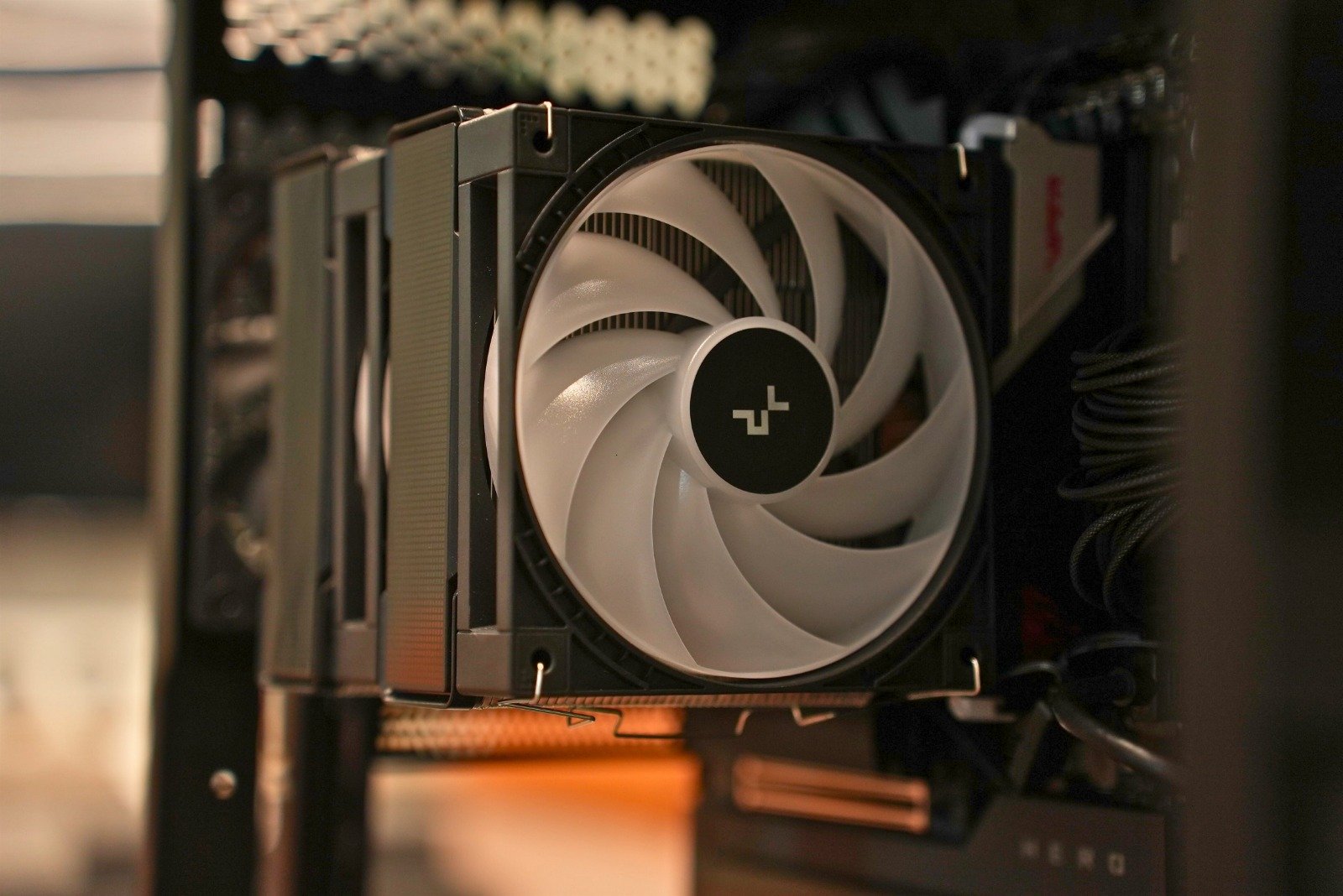
Since the 9700X doesn’t ship with a stock cooler, we opted for the AG620 for sheer simplicity and reliability. Its dual-fan, dual-heatsink design is highly efficient at dissipating heat, ensuring the processor stays cool during intensive, sustained server uptime.
ASUS ROG Crosshair X870E Hero
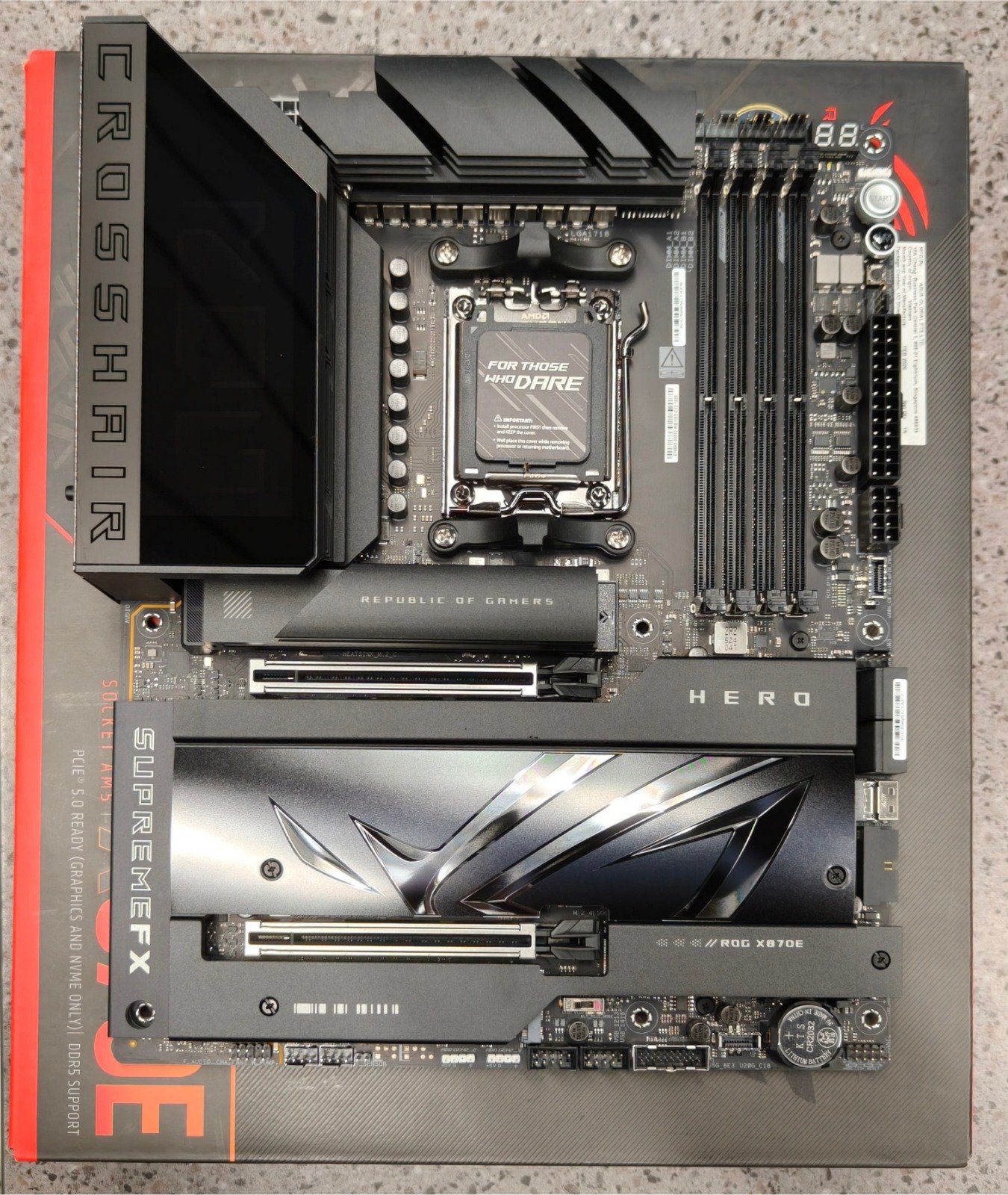
The foundation. We went straight for the Hero product. This motherboard brings all the premium features necessary for a high-traffic server: rock-solid heatsinks for VRM heat dissipation and blazing-fast 5Gbps Ethernet, which is critical for pushing large amounts of data across our local network seamlessly.
Patriot 32GB DDR5 6000 MHz Viper RAM
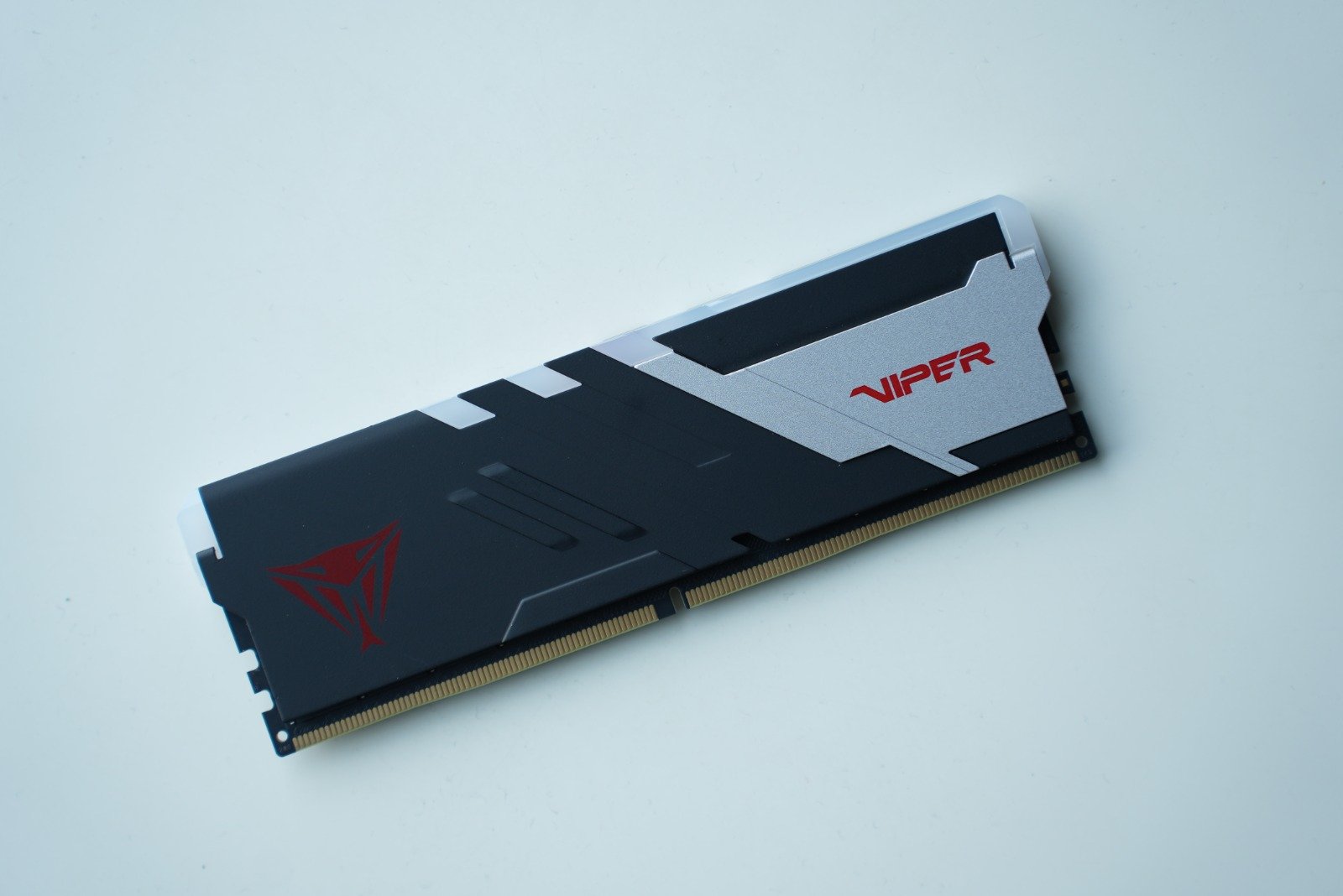
The current hardware market is feeling the squeeze, with high-speed DDR5 RAM being both scarce and expensive. We took a strategic approach, installing a 32GB 6000MHz kit. This perfectly meets our system memory requirements while leaving ample room on the board for future upgrades when market prices stabilize.
Crucial CT500T500SSD8 500GB T500 Gen 4
Local AI requires rapid data retrieval. This Gen 4 NVMe SSD delivers the blazing speeds necessary to load the OS and boot up massive AI models into memory instantly. While 500GB might require some storage management if we frequently swap between dozens of massive models, it effortlessly holds our core daily drivers.
Dual ASUS Prime RTX 5060 Ti 16GB
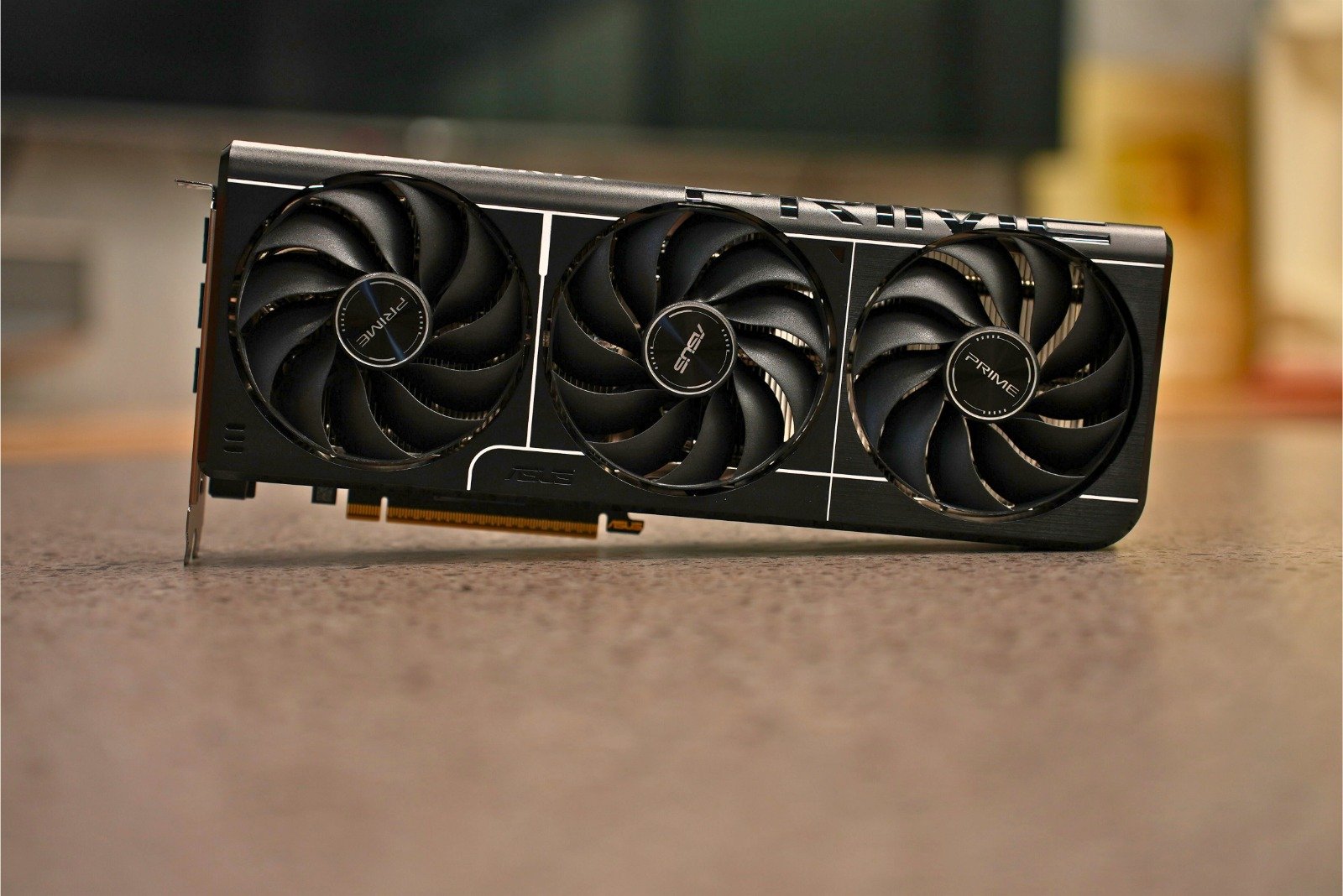
The beating heart of any AI PC is the GPU. In the world of local LLMs, VRAM dictates the size and intelligence of the models you can run. The ASUS Prime RTX 5060 Ti offers a generous 16GB of VRAM per card. By utilizing the dual-GPU support on our X870E Hero motherboard, we installed two of these workhorses, netting a massive 32GB of total VRAM to push our AI capabilities to the limit.
ASUS ROG Thor 1200 P3 Power Supply
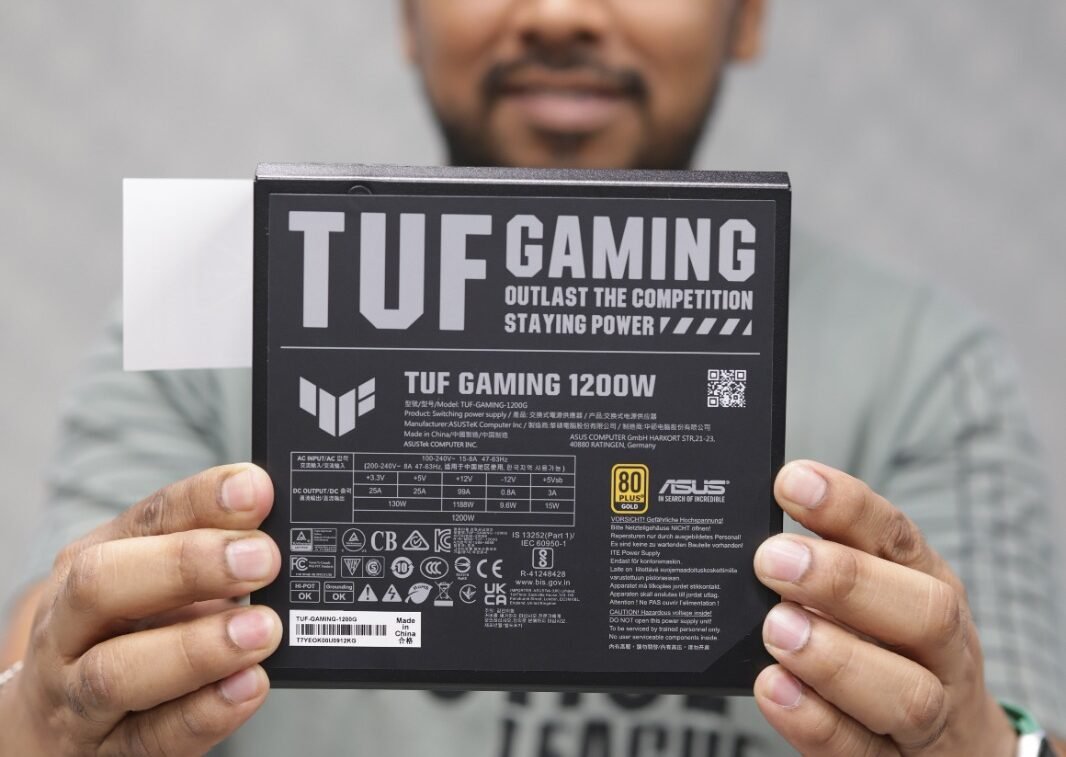
Powering dual GPUs and top-tier silicon requires uncompromised stability. The ROG Thor 1200 P3 is a state-of-the-art, Platinum-rated power supply. Its elite efficiency ensures stable power delivery under heavy inference loads, and the 10-year warranty gives us complete peace of mind.
ASUS TUF Gaming GT502 Mid Tower
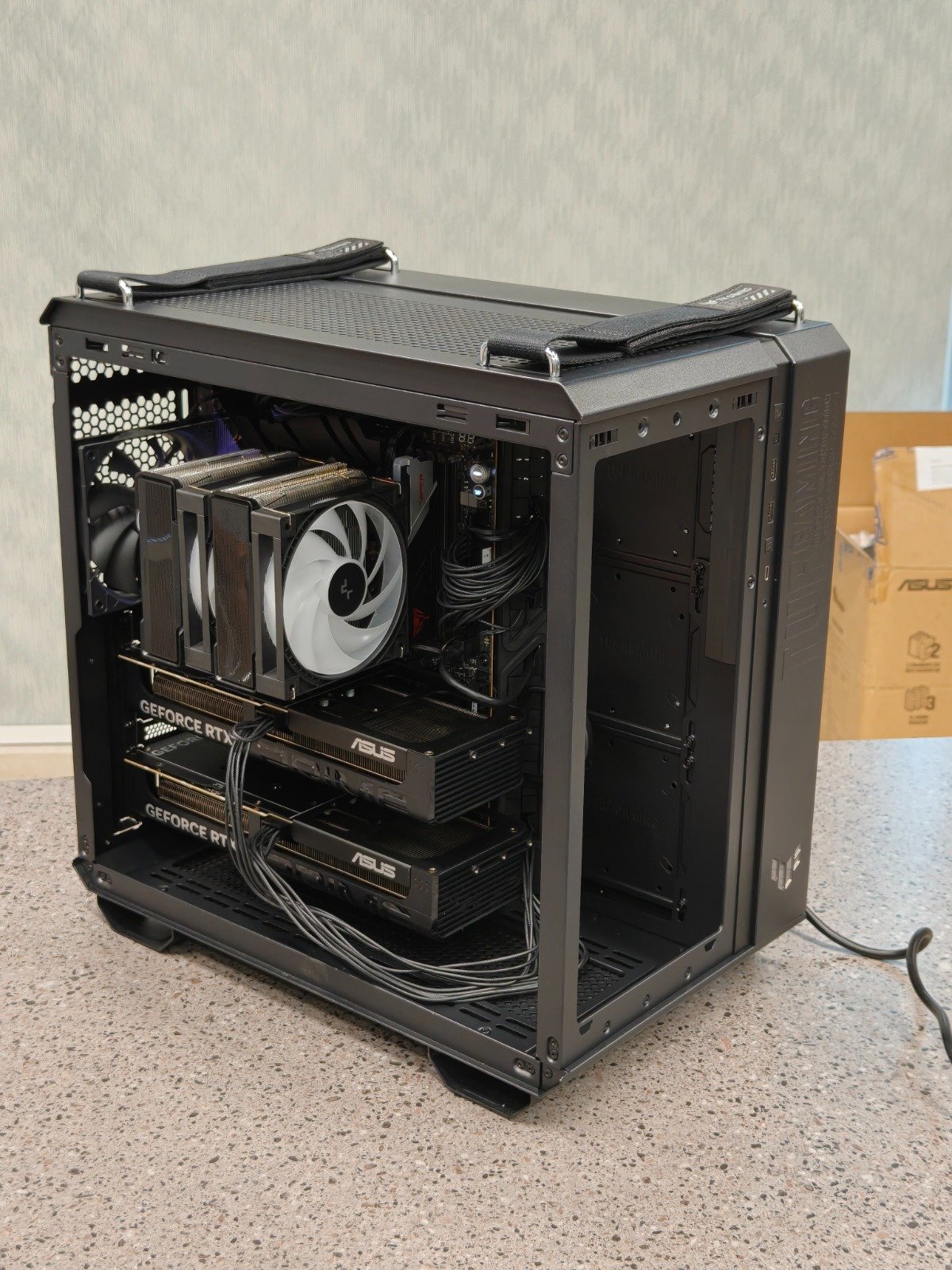
Packing this much heat requires a chassis with exceptional airflow and space. The GT502 Mid Tower effortlessly accommodates our dual-GPU setup, ensuring thermal efficiency. Plus, its panoramic glass sides make it an absolute showpiece in the office.
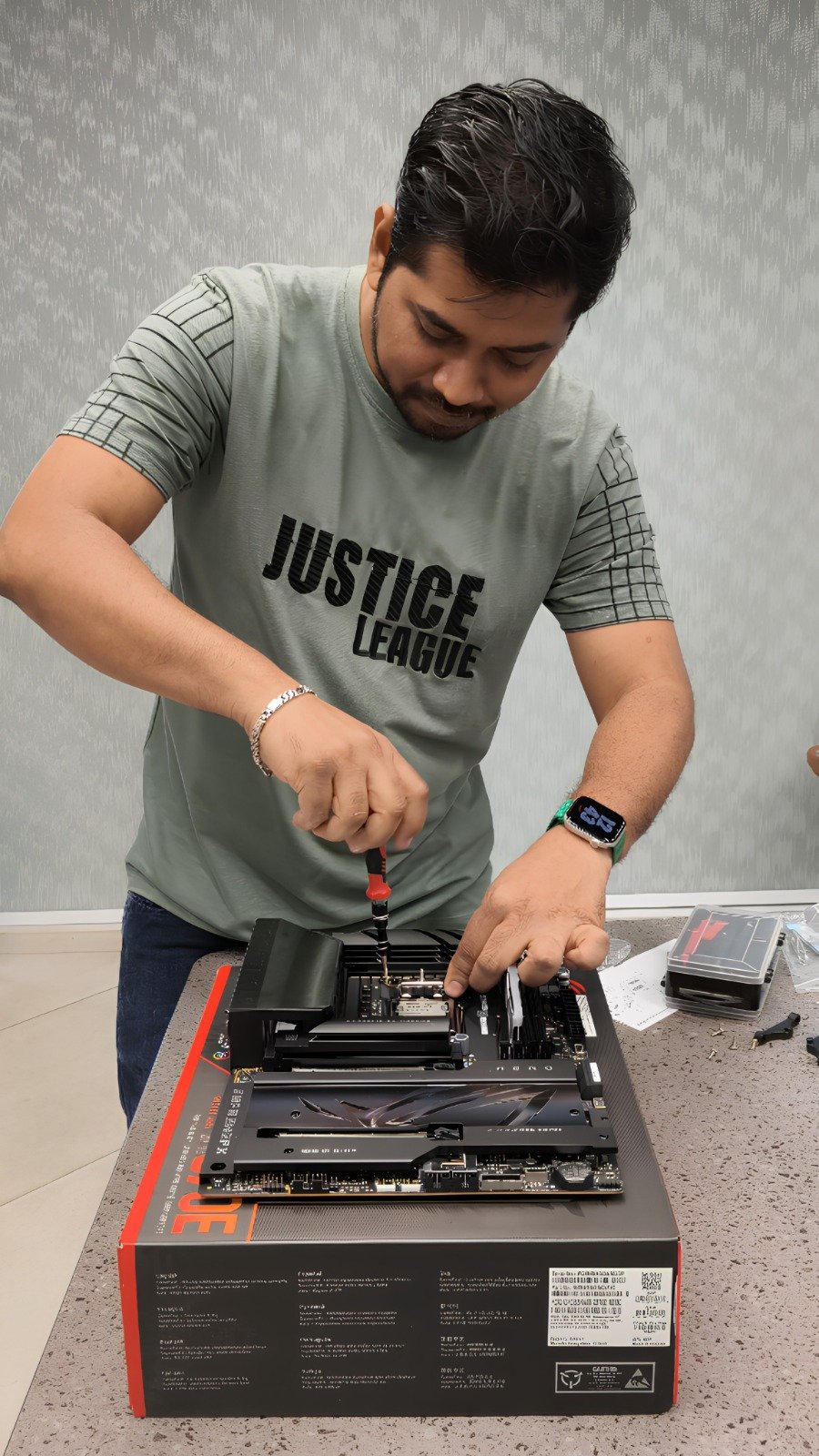
The beast is fully assembled and operational. Check out the build reel on our Instagram: instagram.com/exhibitmagazine
Deployment & Real-World Use Cases
Hardware is only half the battle. To transform this PC into an office-wide server, we installed Ubuntu Server OS. It runs entirely headless in our server room, functioning as a silent, invisible powerhouse for the team.
To handle the AI models, we deployed LM Studio. It’s a remarkably intuitive application that allows us to discover, download, and run local LLMs. More importantly, it features a built-in local inference server that mimics standard API endpoints, making it incredibly easy to integrate with our existing office tools and chat interfaces.
We tested several models, including Gemma 4, but ultimately settled on the Qwen 3.6 35B A3B model. Thanks to our 32GB of VRAM, Qwen runs flawlessly, delivering clear, high-quality responses for our research and scripting needs. We’ve also successfully spun up OpenClaw and Hermes, both of which performed perfectly. The flexibility to hot-swap models based on the specific task is a game-changer.
By exposing the local IP address on our internal network, everyone in the organization can now route their AI queries to this single server simultaneously. The response times are precise, snappy, and entirely free of rate limits.
The Ultimate ROI: Privacy and Cost
Moving away from subscription-based cloud AI is not just a financial victory; it is a massive win for corporate privacy. Because every query, script, and image-generation prompt is processed locally on our own hardware, there are zero privacy concerns. Proprietary research and unreleased content never leave our network.
When you weigh the upfront cost of these components against the endless drain of monthly enterprise AI subscriptions and factor in the uncompromising privacy, absolute control, and zero downtime, building a local AI server isn’t just an alternative; it is unquestionably the best deal for any modern, tech-forward organization.