

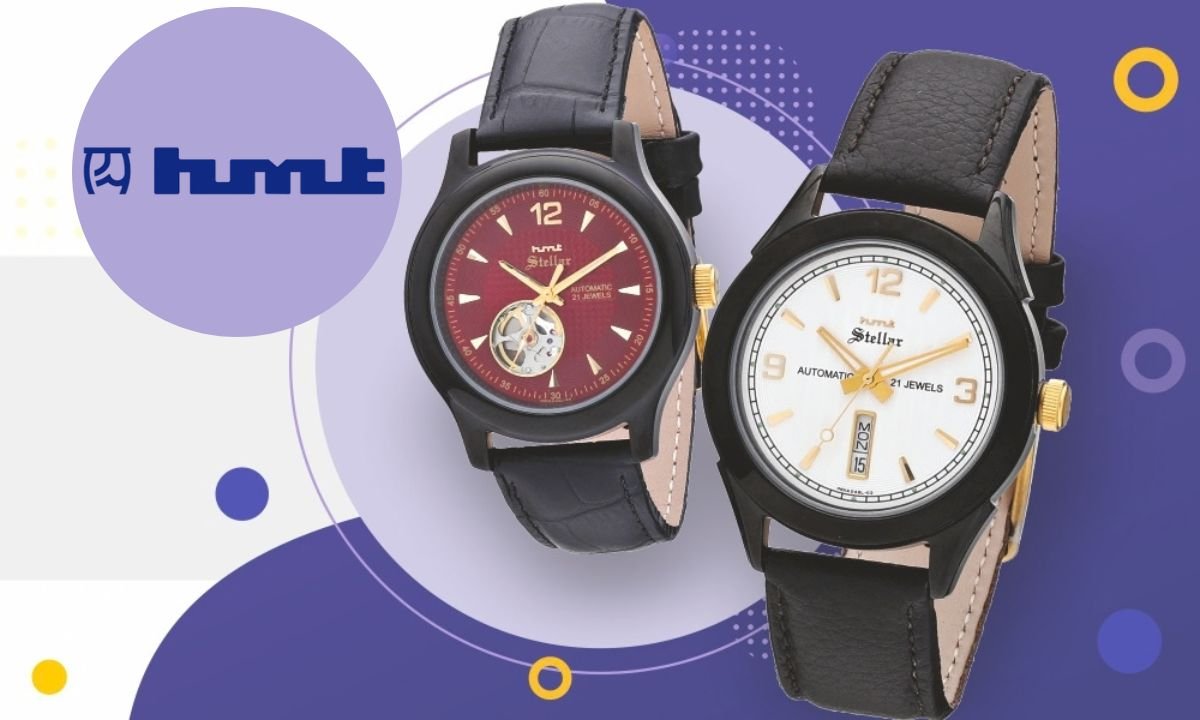
There was a time when owning a watch in India did not mean choosing between Swiss, Japanese or fashion brands. It meant HMT. For millions of Indians, an HMT was not simply something strapped to the wrist. It was a first salary purchase, a wedding gift, a reward for good marks, a retirement memento and, occasionally, the watch your father quietly passed down to you. Almost every household in India has an HMT story, just like almost every Indian has a Maruti story as their first car. The strange part is that HMT did not disappear because Indians stopped loving it. It disappeared because the company stopped moving at the speed of the market.
The story began in 1961, when Hindustan Machine Tools, better known as HMT, set up India’s first wristwatch manufacturing unit in Bengaluru in collaboration with Japan’s Citizen Watch. Jawaharlal Nehru released the first batch of hand-wound watches, and HMT quickly became a symbol of India’s post-Independence industrial ambition. The company eventually produced more than 100 million watches, while building everything from mechanical and automatic watches to quartz, Braille and Ana-Digi models. By 1991, HMT had reportedly commanded close to 90% of India’s watch market. That is not just market share. That is an entire generation wearing the same logo. Incredible!
Watch The Shorts: HMT: The Brand That Time Couldn’t Kill
Then came the uncomfortable bit. India liberalised, consumers changed, Titan arrived with aggressive marketing and modern retail, imported brands became accessible and quartz became the new normal. HMT actually introduced quartz technology in India in 1981, but its execution and positioning failed to create the desired response. The company subsequently leaned back towards mechanical watches just as the market was moving forward. Meanwhile, some of its best engineers had moved to Titan in the 1980s. HMT had the engineering, manufacturing capability and brand recognition, but increasingly lacked the urgency to reinvent itself. Titan took that position, and today it commands the lion’s share of India’s organised watch market. It is almost the same story playing out in another generation.
By 2016, the government had approved the closure of HMT Watches as a subsidiary. And that should have been the end of the story. Except it wasn’t.
The most interesting chapter happened on August 15, 2026. HMT released six special Independence Day models, with around 1,750 watches manufactured for the launch. They sold out in a single day. Customers queued outside HMT outlets in Bengaluru, with reports of a line stretching nearly 2 kilometres at Jalahalli. The watches were priced between approximately ₹2,000 and ₹10,000, yet the response was anything but ordinary. HMT recorded more than ₹35 lakh in sales in a single day from limited-edition and rare watches. The Gandaberunda model, featuring Karnataka’s state emblem and Kannada text, was among the watches that drew particularly strong demand.
Also Read: Timex – The 172-Year-Old Watch Brand That Refused to Grow Old
And here is the fascinating 2026 twist. HMT still exists, and its official watch operation continues to sell mechanical and quartz watches, with current collections ranging from roughly ₹1,500 to over ₹11,000. However, the corporate picture remains complicated. HMT disclosed in January 2026 that an application had been filed to strike off HMT Watches Limited, the former wholly owned subsidiary, following the government’s earlier closure decision. At the same time, watches remain part of HMT Limited’s operations, showing just how unusual this brand’s second life has become.
It is a story of legacy and change that every business owner and company needs to understand. Success is a continued process. If you take your foot off the accelerator, the acceleration stops, and eventually, the company, just like the car, stops moving.
The Indisciplined Playbook
- Build something people remember. HMT’s greatest asset was never its advertising budget. It was the memory attached to the product.
- Never confuse heritage with immunity. A 90% market share can disappear if the customer changes faster than you do.
- Technology is useless without timing. HMT had quartz technology, engineering talent and manufacturing scale. The market simply moved faster.
- Scarcity can resurrect a brand. HMT’s disappearance helped create a collector culture around it.
- The real lesson: Sometimes the most valuable thing a company owns is not its factory, inventory or balance sheet. It is the story people tell about it.
HMT’s greatest irony is beautifully simple: it made watches for a country learning to keep time, but forgot to keep time with the country itself.