

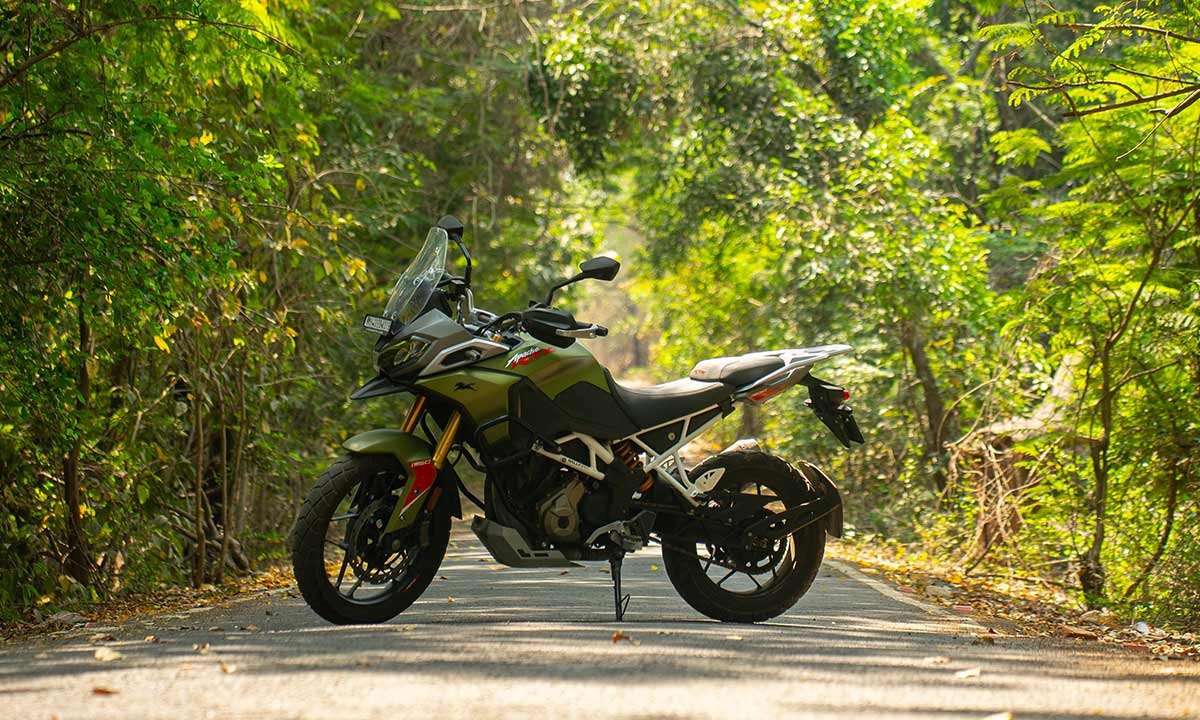
Adventure motorcycles have a funny way of stirring up your imagination. You look at one, and your mind instantly starts plotting routes involving winding mountain passes, endless highways, remote villages, and maybe even the occasional dirt trail that looks just challenging enough to feel rewarding. The TVS Apache RTX 300 does exactly that. The moment you swing a leg over it, the bike almost demands that you pack a bag, fuel up, and point it toward the horizon.
Unfortunately, my time with the RTX 300 was far too short to actually do that. What I had planned, at least in my head, was a proper touring ride. The kind where you spend hours on the saddle, discovering how a motorcycle behaves when the kilometres start piling up, and the roads get unpredictable. But schedules being what they are, that long ride never happened. Yet even in the limited time I spent with it, the Apache RTX 300 left me deeply impressed.
Confidence-Inspiring Handling
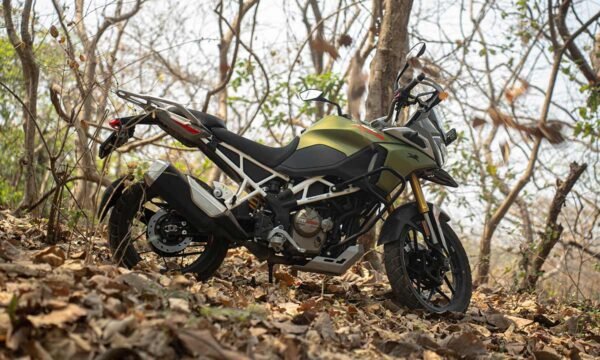
The first thing that strikes you about the RTX 300 is just how planted it feels. This is not a motorcycle that feels nervous or twitchy; instead, it communicates a sense of stability that instantly builds rider confidence. A big contributor to this is the suspension setup. TVS has equipped the RTX 300 with a fully adjustable USD fork at the front and a rear monoshock that has been tuned to strike a balance between comfort and control. The suspension absorbs bumps without unsettling the chassis, and when the road begins to twist, it keeps the bike composed through corners.
The frame itself also plays a huge role. The trellis-style chassis feels rigid and well-engineered, giving the bike a solid backbone that translates rider inputs into predictable responses. Combine that with a relatively long wheelbase and well-distributed weight, and you get a motorcycle that remains incredibly stable even when speeds climb.
Tyres also deserve a mention here. The dual-purpose rubber offers reassuring grip on tarmac while still hinting at mild off-road capability. During cornering, the bike leans progressively and holds its line confidently, which is exactly what you want from a machine that carries adventure-tourer ambitions.
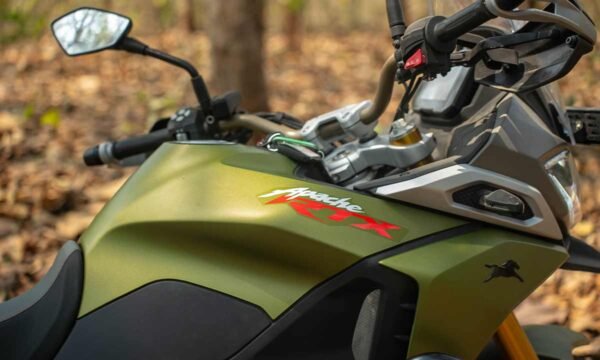
The ergonomics complement this setup beautifully. The upright riding position, wide handlebars, and well-positioned footpegs give you excellent leverage over the bike, making it easy to guide through turns or manoeuvre through city traffic. All these elements work together to create a motorcycle that feels composed, stable, and easy to trust. If anything, that sense of confidence only makes you wish you had more time to explore what the RTX 300 can truly do on longer roads.
Tech That Punches Above Its Price
Another area where the RTX 300 truly stands out is its technology package. For a motorcycle in this price bracket, the sheer amount of tech on offer is genuinely impressive. The bike features a large TFT display that acts as the command centre for everything from ride data to connectivity features. The interface is crisp, easy to navigate, and packed with information. Smartphone connectivity allows riders to access navigation, call alerts, music control, and ride analytics directly through the screen. Multiple ride modes further enhance the riding experience, adjusting throttle response and traction control to suit different conditions. I had mine set to Rally mode from day one to the last.
Whether you’re navigating city traffic or heading toward rougher terrain, the electronics subtly adapt the bike’s behaviour to match the situation. The RTX 300 also benefits from switchable traction control, ABS modes, and various rider aids that you would typically expect to see on far more expensive motorcycles. Hell, it even has a GoPro functionality that lets you control the camera using its switchgear. What TVS has managed here is remarkable. The bike delivers a technology suite that feels thoroughly modern without pushing the bike into a significantly higher price bracket.
Engine Character
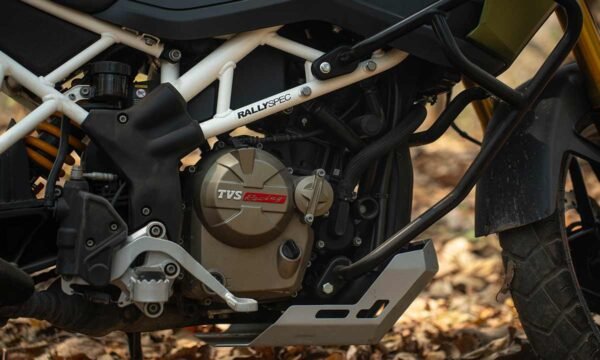
The heart of the RTX 300 is its new 300cc engine, and it complements the bike’s personality well. It feels eager, responsive, and smooth enough for everyday riding. Power delivery is linear and predictable, which works perfectly for an adventure-style motorcycle. It doesn’t feel intimidating or overly aggressive; instead, it builds pace in a controlled manner. Even during quick overtakes or bursts of acceleration, the engine remains refined and willing, giving the impression that it has plenty more to offer once you get onto open highways. And that, again, brings me back to the frustration of not being able to take it on a proper tour.
One Minor Quirk
For the most part, the RTX 300 feels thoroughly polished. But there is one small issue that stood out during my time with it. I’m referring to its quickshifter. While it works well most of the time, there were moments when it felt slightly unpredictable. Occasionally, a shift would result in a brief, sudden surge in acceleration that felt a little abrupt. It’s not a deal-breaker by any means, but it’s noticeable enough that you become aware of it. A bit more refinement in the quickshifter calibration would likely smooth things out considerably.
Bottom Line
Even though I didn’t get the chance to take the Apache RTX 300 on the long-distance ride it clearly deserves, the motorcycle still managed to leave a strong impression. Its combination of stability, confidence-inspiring handling, advanced technology, and approachable performance makes it feel like a very well-rounded package. More importantly, it feels like a motorcycle that encourages exploration; the kind that makes you want to ride farther than you originally planned. And if a bike can do that within just a short ride, it’s probably doing something very right.
6 Comments
Pingback: ketoconazole medical reference
Pingback: sémaglutide tablets prix
Pingback: priligy 30 mg
Pingback: imodium liquid meijer
Pingback: cenforce 200 price
Pingback: hello world