


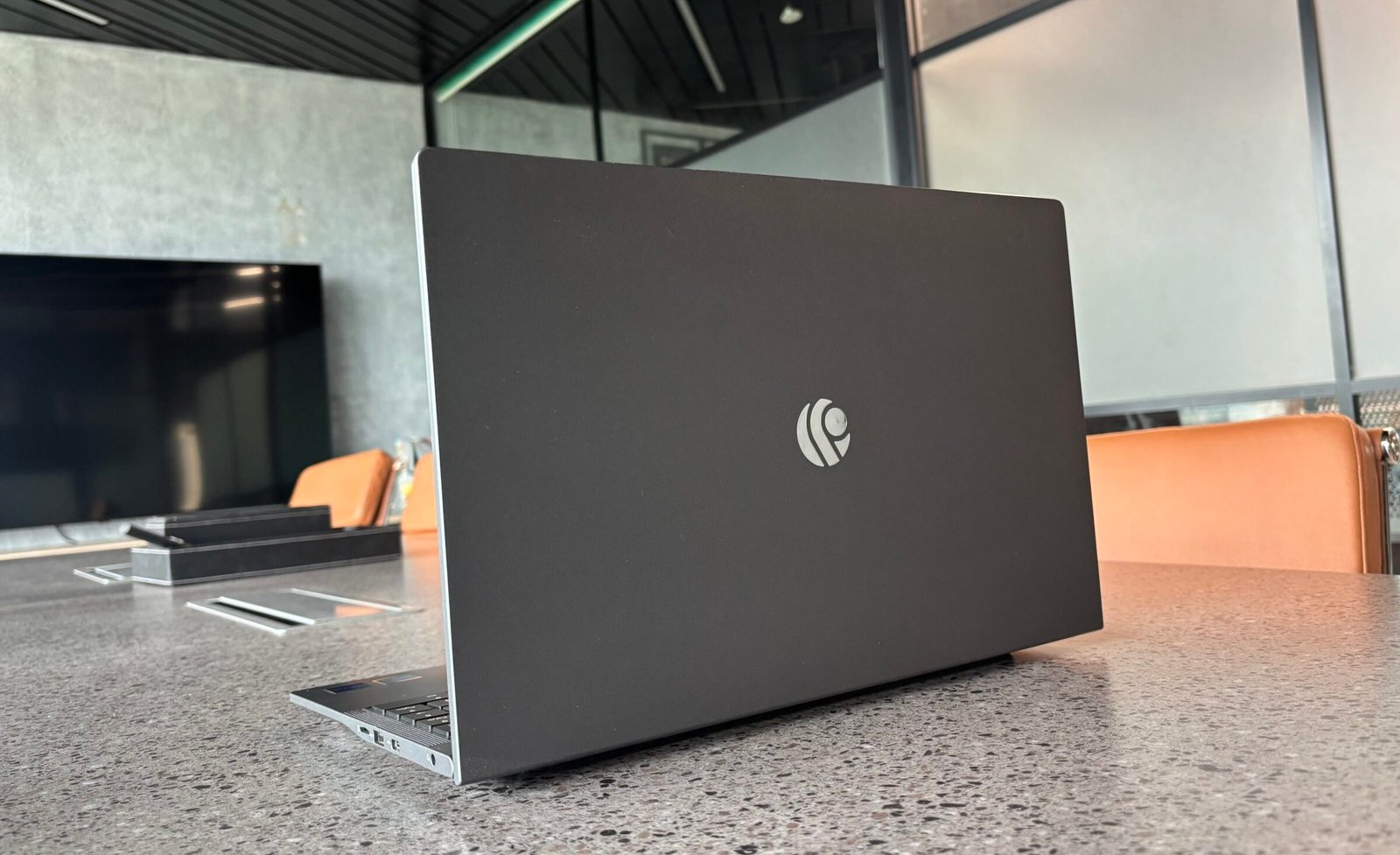
Affordable laptops represent a massive, thriving market right now, especially for new content creators, students, and office workers looking for an entry-level machine that won’t drain their bank accounts. In the sub-30k segment, we often see compromised Windows machines struggling with basic tasks. Enter the Primebook 2 Max, priced competitively around ₹27,990. It takes an entirely different approach, aiming to offer a streamlined, Android-based desktop experience. But is this genuinely the best laptop you can buy under 30k? Let’s see how it holds up in daily use.
Build and Design
At first glance, the Primebook 2 Max looks exactly like a standard, sleek laptop. Weighing in at just 1.61 kg and sporting a generous 15.6-inch Full HD IPS anti-glare display, it is highly portable and comfortable for indoor typing sessions.
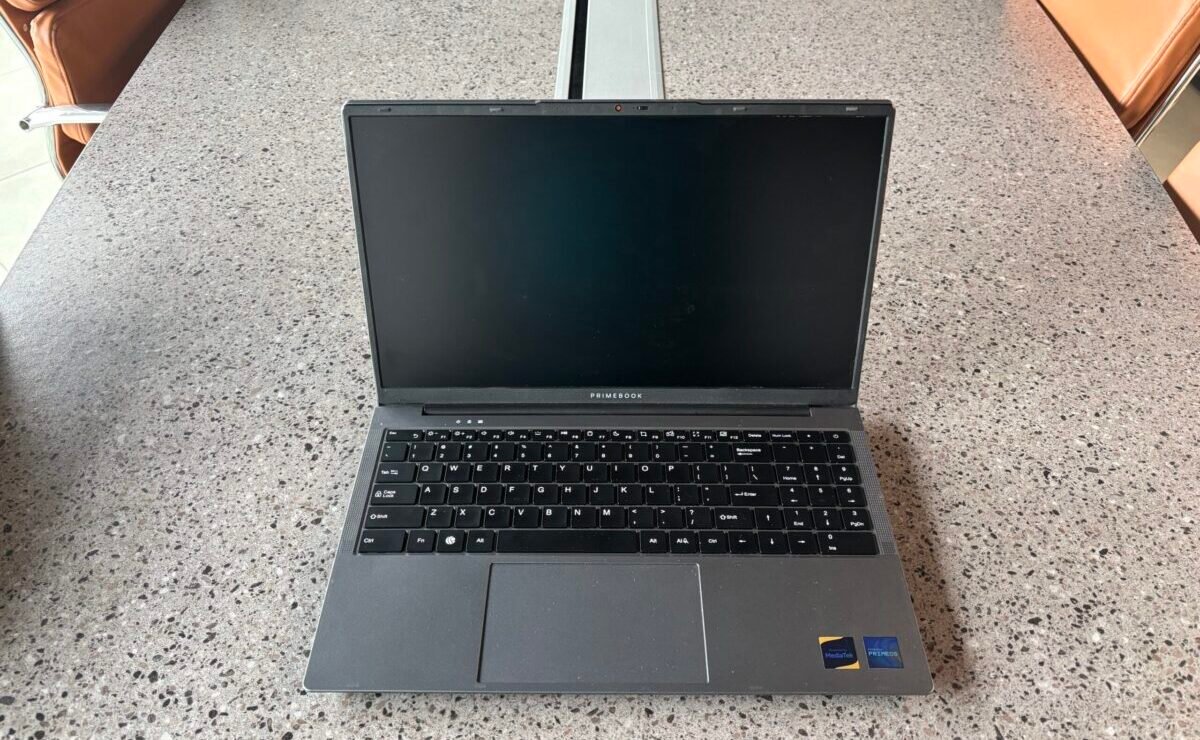
However, the illusion of premium hardware fades once you get your hands on it. The form factor is like a standard laptop, but the entire chassis is constructed out of polycarbonate plastic. While the matte finish attempts to mimic a metal build, the physical reality is noticeably different. The build quality feels flimsy when you open and close the lid. You can feel a distinct flex in the back panel and the keyboard deck when typing enthusiastically. It won’t fall apart on your desk, but it reminds you of its budget-friendly price tag every time you adjust the screen. It is functional, but you will want to handle those hinges with a bit of care.
Performance
Under the hood, the Primebook 2 Max truly separates itself from the norm. Instead of an entry-level x86 chip, it runs on a MediaTek Helio G99 processor, an ARM chipset typically found in mid-range smartphones, paired with 8GB of RAM and 256GB of storage.
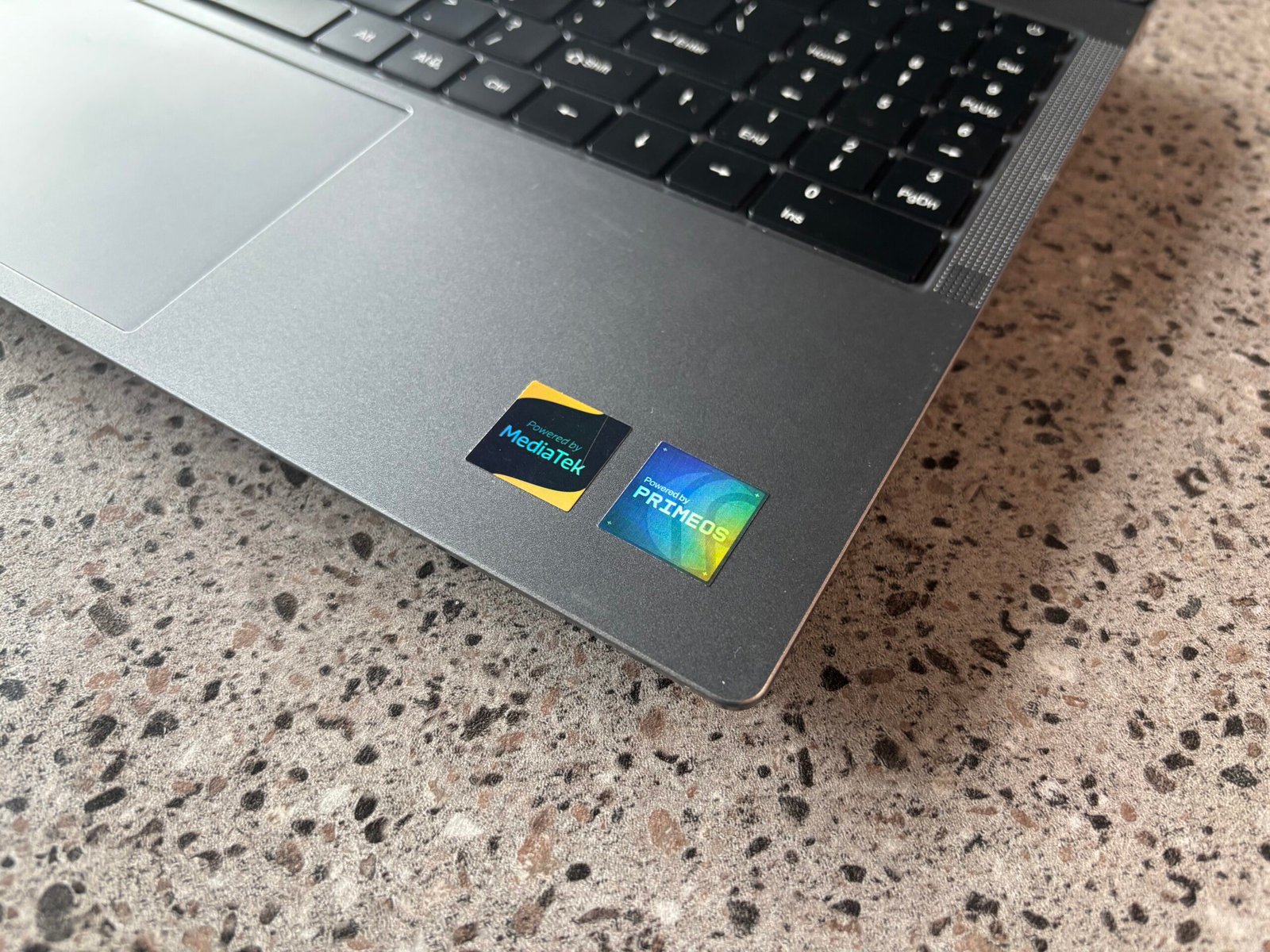
More importantly, it does not run Windows. It runs PrimeOS, an Android-based operating system designed to look and behave like a desktop interface, complete with a taskbar and a start menu. This creates a vastly different user experience than what you might be accustomed to on a traditional laptop. For basic tasks like browsing the web, answering emails, and watching videos, the laptop is overall quite smooth.
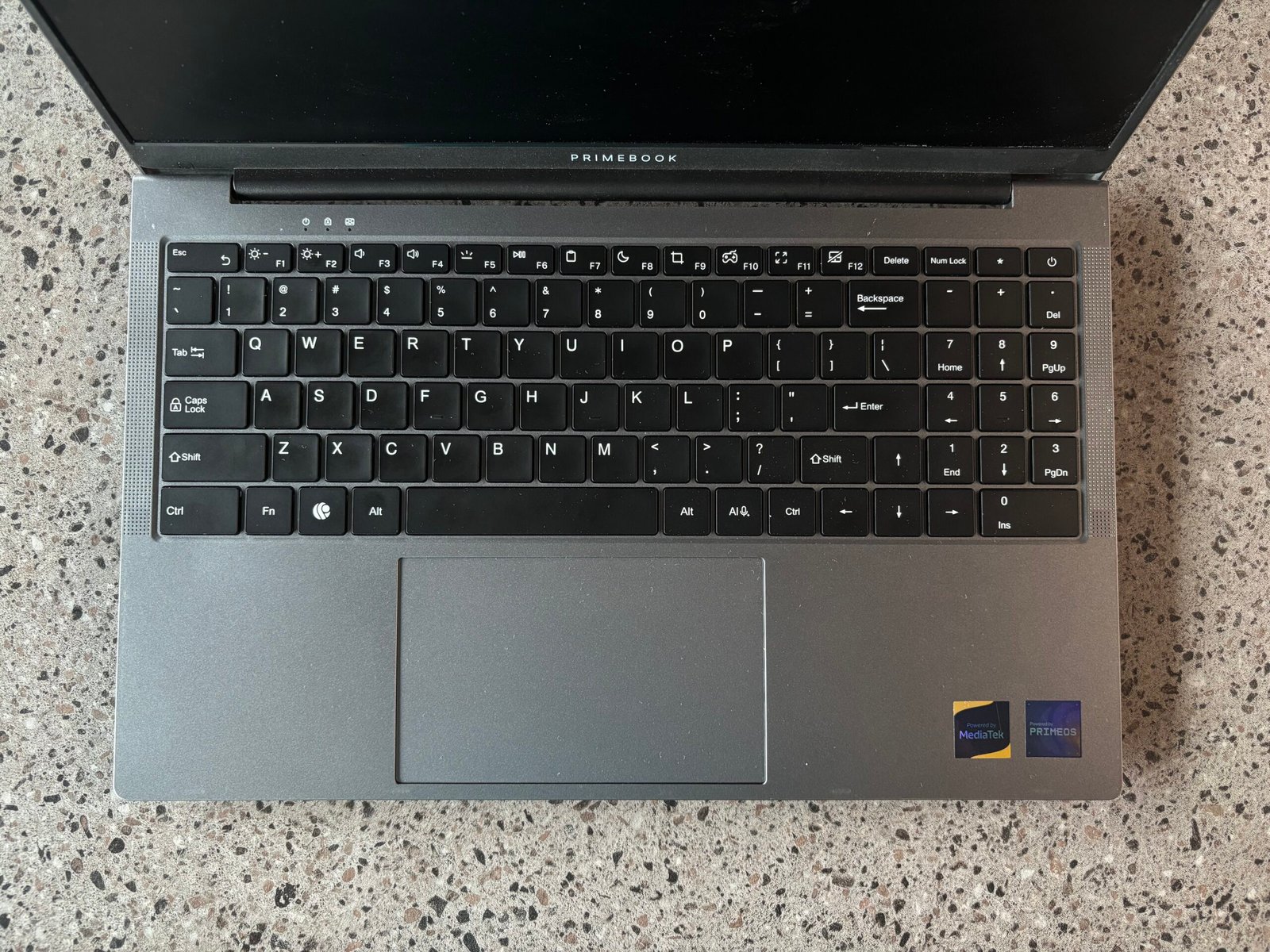
However, the operating system occasionally lags, and the overall ecosystem feels restricted. Because it relies on the Android app ecosystem, you are essentially using tablet-sized apps that don’t always scale well to a 15.6-inch landscape display. This feels incredibly limiting when you are trying to multitask or use productivity software that you expect to function with robust desktop-class features. It essentially feels like a mobile motherboard packaged into a laptop form factor.
Battery Life
The Primebook 2 Max absolutely shines in endurance. Because it utilizes that power-efficient ARM-based chipset, the battery life is quite good and delivers phenomenal longevity. Traditional budget Windows laptops often gasp for air after four or five hours. Still, the Primebook easily pushes through 10 to 12 hours of screen-on time during standard web browsing and document editing.
The Primebook 2 Max is not the best laptop under 30k if you need a true Windows replacement for heavy applications or content creation due to its flimsy build and limitations with mobile apps. However, for those who primarily use Android apps, web browsing, online classes, and basic media consumption, it offers a fluid experience and excellent battery life. Essentially, it functions more like a productivity-focused Android tablet with a keyboard, making it a great option for specific users who know what to expect.
-
Build & Design
-
Performance
-
Battery