

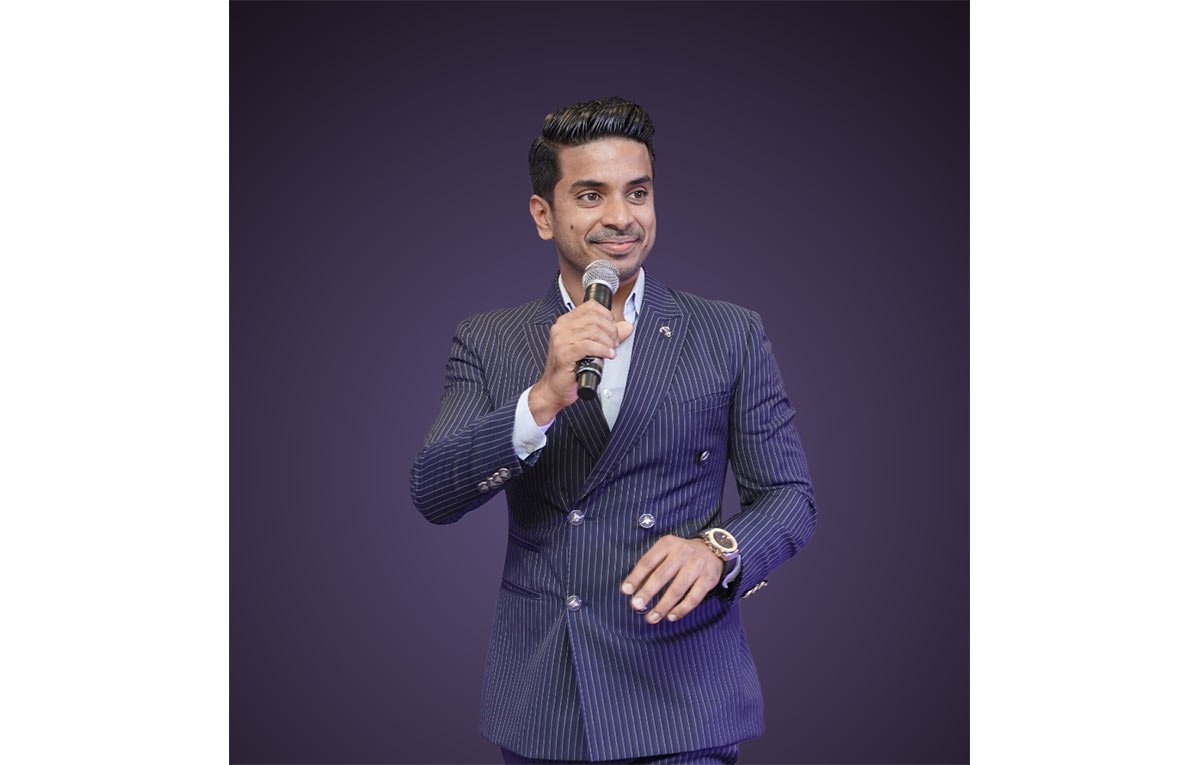
As Director of Intex Technologies, Keshav Bansal believes that technology achieves its true purpose only when it reaches beyond early adopters and becomes accessible to the masses. In an industry often driven by speed and hype, his approach is rooted in clarity, conviction, and building products that solve real problems for everyday consumers. In this edition of Tech Titans, Bansal shares the childhood lessons that shaped his leadership philosophy, why Gen Z responds better to purpose than hierarchy, and the biggest misconception surrounding AI adoption. He also reflects on the bold decision to invest in the IPL as a brand-building exercise, discusses the importance of making innovation more inclusive, and explains why the future of technology depends as much on accessibility as it does on breakthrough ideas.
What’s a personal habit or ritual that quietly shapes how you make big decisions?
I don’t compete on speed; I compete on clarity. The obvious answer is usually just the most popular one. I wait until the noise fades and conviction is clear.
What’s one childhood incident that shaped who you are today?
I didn’t watch spreadsheets in my father’s office; I watched pressure. And I learned early that leadership is staying steady when others start to shake.
What are your thoughts on Gen Z work culture, and how do you shape your work style to align with them?
Gen Z doesn’t want a boss; they want a mission. I’ve traded control for context. If the “why” is clear, the “how” follows. I don’t manage people; I manage clarity.
What’s the biggest lie the industry is telling itself about AI right now?
That AI is plug-and-play. It’s not. Without the right problem and data, it’s just expensive experimentation.
What problem in the world still frustrates you enough to keep you awake at night?
The gap between what technology can do and who it actually reaches. Innovation is moving at light speed, but true access is lagging. Until world-class technology becomes a utility for everyone—and not just a luxury for the few—the job is unfinished.
What’s a decision you made that looked risky at the time but turned out to be the right one?
Owning an IPL team in 2016. It was a bold, high-stakes decision that paid off, helping Intex build strong consumer connect and lasting brand recall.
What brands of gadgets do you use every day?
Intex is a daily ritual. I’m always testing our latest audio products and TVs. Beyond that, I rely on my iPhone 17 Pro Max to keep pace. I use the tools that help me move fastest.
When people look back at your work decades from now, what do you hope they say you changed?
That we democratized innovation. We want our legacy to be that we made high-tech feel home-grown and accessible to the common man at a massive scale.
What’s harder: taking a bold decision or sticking with it when things go wrong?
Sticking with it. Taking a decision is a moment; staying the course is a test of conviction. That’s where strategies either succeed or fade away.
What part of AI genuinely excites you—and what part quietly worries you?
AI’s ability to simplify complexity excites me. Overdependence worries me. The moment we stop questioning outputs, we stop thinking—and that’s a risk.
Rapid Fire
- Books you swear by: The Hard Thing About Hard Things by Ben Horowitz, Zero to One by Peter Thiel
- Current car: Range Rover
- Dream car/bike: Rolls-Royce Cullinan Black Badge
- Fitness gadgets you use every day: WHOOP (occasionally). I keep it simple—consistency over gadgets, with the occasional dose of adventure.
- Go-to AI tool: Claude
- Quote you live by: “Develop a passion for learning. If you do, you’ll never cease to grow.” — Anthony J. D’Angelo
- Podcast recommendations: The Tim Ferriss Show, The Diary Of A CEO