


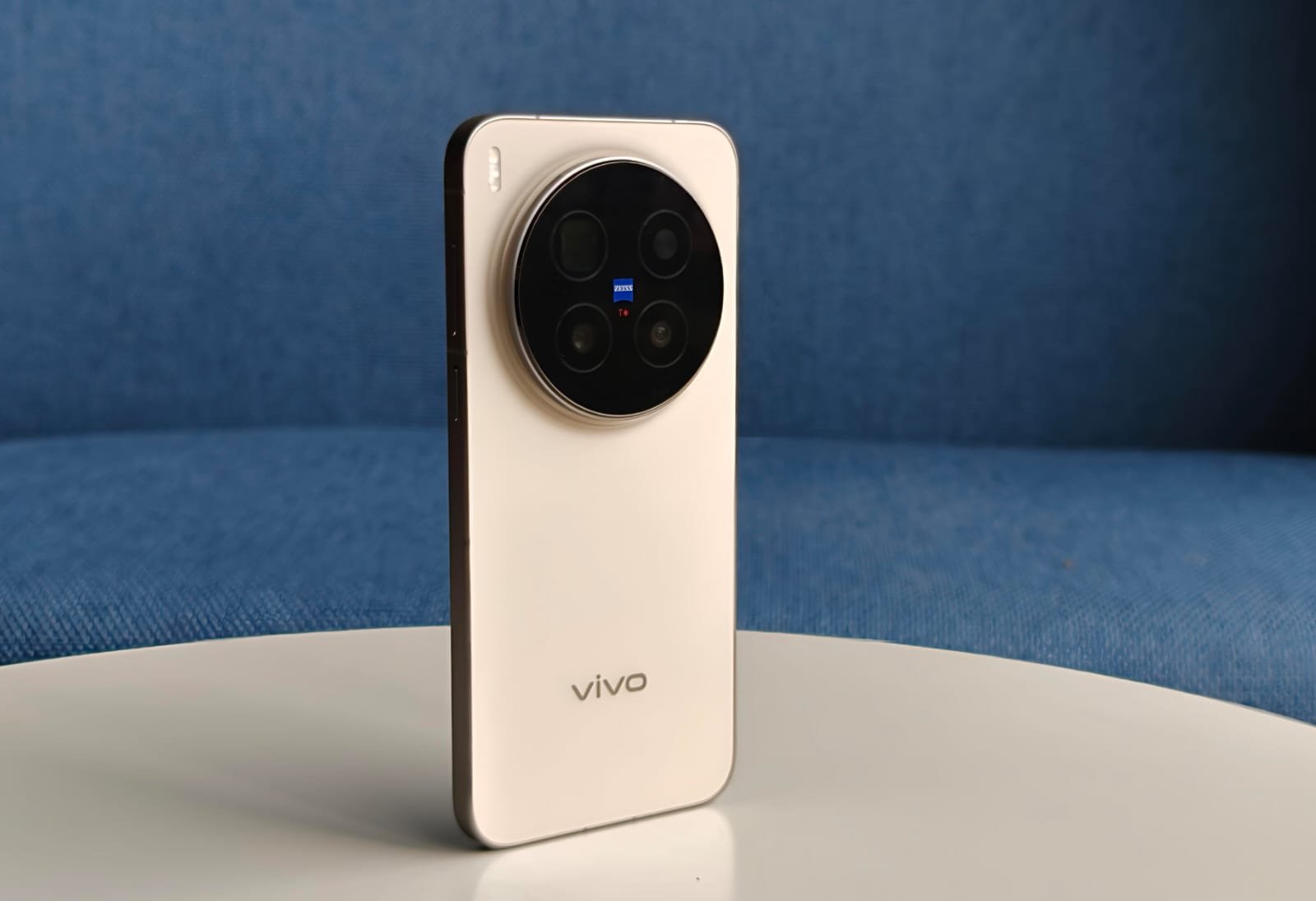
Vivo’s X series has long been known for its photographic excellence, consistently pushing the boundaries of mobile imaging with each new model. From the groundbreaking X90 to the award-winning X200 Pro, which received our Camera Smartphone of the Year award, the X series has delivered continuous innovations. Now, the Vivo X300 Pro, featuring flagship standards and ZEISS co-engineered optics, has arrived on my desk. However, in a market flooded with powerhouses like the Galaxy S25 Ultra and Pixel 10 Pro, does the X300 Pro truly stand out as the best smartphone in the world? We’ve put it through its paces to find out.
Design & Build
The Vivo X300 Pro adopts a more refined, flat-edged design on both the front and back, moving away from the quad-curved edges of its predecessor, the X200 Pro. This modern, iPhone-like aesthetic retains the brand’s signature elegance. Despite its heft, the phone maintains a slim profile, thanks in part to its substantial 6510mAh battery and prominent camera module, which protrudes similarly to the previous model. Weighing around 220 grams, it offers a sense of strength, but this can lead to a bulky feel during extended one-handed use. The aluminium frame is frosted, providing a premium grip, and the device boasts an IP68/IP69 rating for dust and water resistance, ensuring it can withstand splashes and brief submersion.
The camera island remains a central feature, housing a triple-lens array within a sleek, circular Zeiss-branded visor that is both functional and stylish. While this design highlights the phone’s imaging capabilities, it is disappointing that there is no dedicated camera shutter button on the side. This tactile control, present on devices like the OPPO X9 Pro, enhances the shooting experience by allowing quick access to the camera. Vivo’s decision to omit it here may have been to streamline the design, but it is a feature that could have provided a valuable convenience for photography enthusiasts.
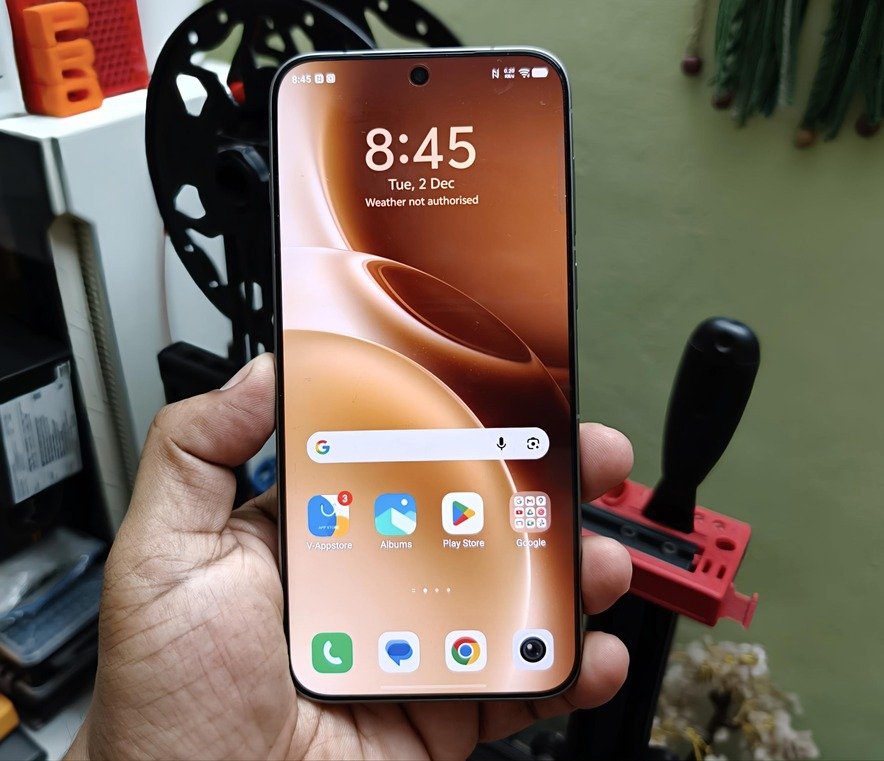
The device features a stunning 6.78-inch LTPO AMOLED display with ultra-thin 1.5mm bezels, thinner than those on the impressive X200 Pro. This screen boasts a remarkable screen-to-body ratio of over 91%. This design allows for an immersive viewing experience with minimal distractions. Additionally, Vivo’s collaboration with Zeiss enhances the display by supporting Zeiss Natural Colour mode, which delivers deeper blacks, vibrant yet natural colours, and reduces eye strain during extended use.
Performance
The X300 Pro is powered by the MediaTek Dimensity 9500, the latest chipset from the Taiwanese manufacturer, built on a 3nm process for exceptional efficiency. It comes equipped with 16GB of LPDDR5X RAM, which can be virtually expanded using memory fusion technology, and offers up to 1TB of UFS 4.0 storage. In our review, the 512GB configuration felt nearly limitless. Everyday tasks were effortless, with seamless switching between over 20 apps. Whether editing 4K videos in Filmora, managing multiple Chrome tabs, or using Spotify, multitasking was incredibly fast, with no stutters or reloads. The AnTuTu benchmark score reached around 2.3 million, comparable to devices powered by the Snapdragon 8 Elite.
Gaming is where the Dimensity 9500 truly shines. I played BGMI (Battlegrounds Mobile India) on Ultra HD settings, achieving a locked 90fps with minimal thermal buildup, thanks to Vivo’s advanced vapor chamber cooling system that effectively dissipates heat. Call of Duty: Mobile performed flawlessly at high graphics settings, while Asphalt Legends Unite provided thrilling arcade gameplay without any frame drops. Although the device warmed slightly after 45 minutes of intense gameplay, it never throttled performance. For creators, the integrated V3+ imaging chip accelerates photo and video processing, allowing for a 4K timeline export in under two minutes, which is faster than many competitors.
The experience is further enhanced by OriginOS 6, Vivo’s custom skin built on Android 16. The Ultra-core Computing engine optimizes resource allocation, while the Origin Smooth Engine ensures fluid animations even after months of use. AI integrations through Google Gemini add smart features, such as Circle to Search for instant lookups and AI-generated summaries of lengthy articles.
Camera

Building on the award-winning foundation of the X200 Pro, the X300 Pro features a remarkable triple-camera setup co-engineered with Zeiss. This system includes a 50MP primary sensor, a 50MP ultra-wide lens with macro capabilities, and a standout 200MP ZEISS APO telephoto lens with a periscope design that offers 3.7x optical zoom and up to 100x digital zoom. The front-facing 50MP selfie camera has also received a resolution upgrade, providing sharper self-portraits with more natural skin tones.
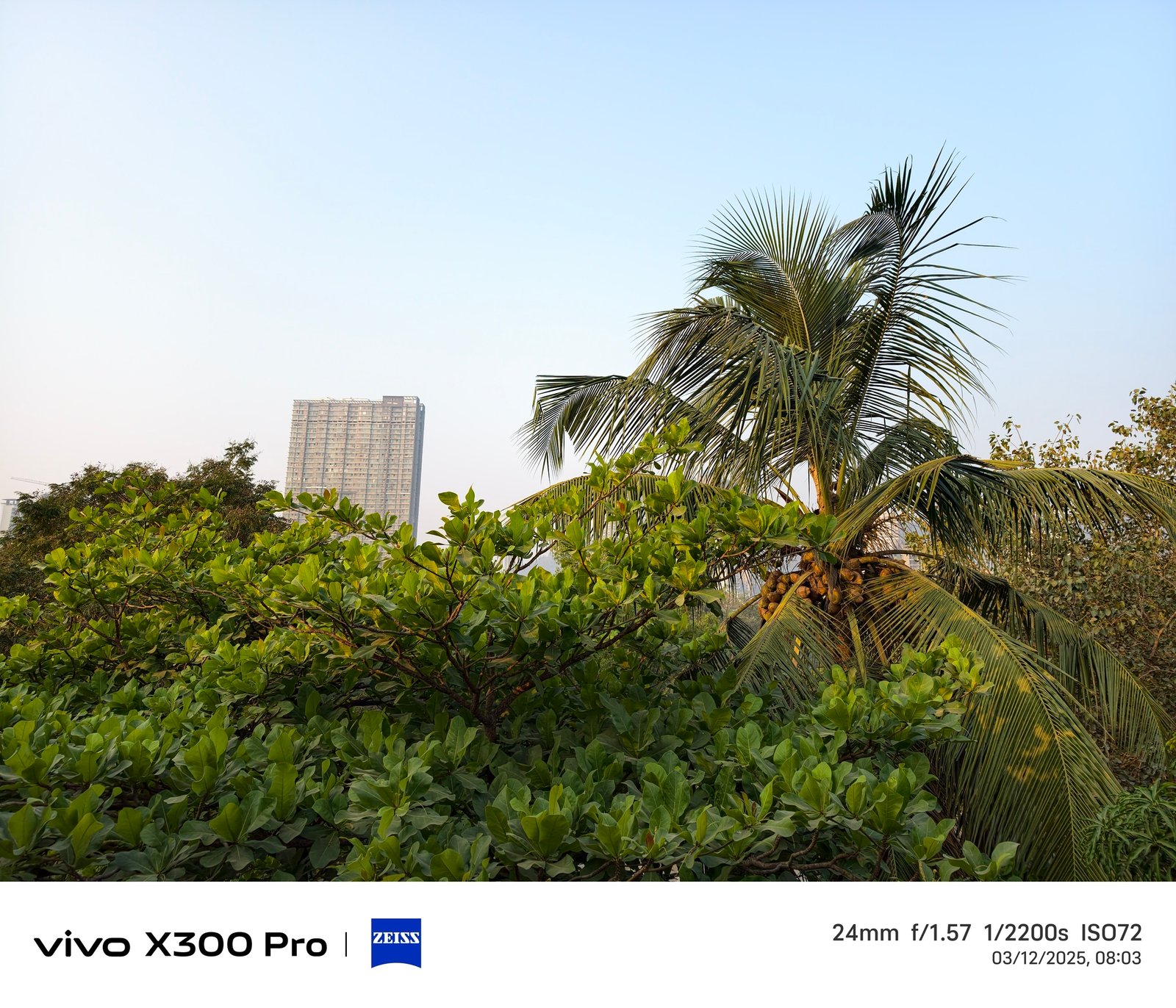
In daylight, photos are incredibly sharp, thanks to Zeiss’s T coating, which minimizes flare and ensures true-to-life colors and micro-contrast. The primary sensor excels at capturing detail-rich landscapes, while the ultra-wide lens manages distortion well, even at the edges. However, the telephoto lens truly stands out. It features India’s first Telephoto Bird Shots mode, which activates at 10x zoom and uses AI to track and freeze moving birds, enhanced by the Zeiss Mirotar bokeh, making it perfect for wildlife enthusiasts.
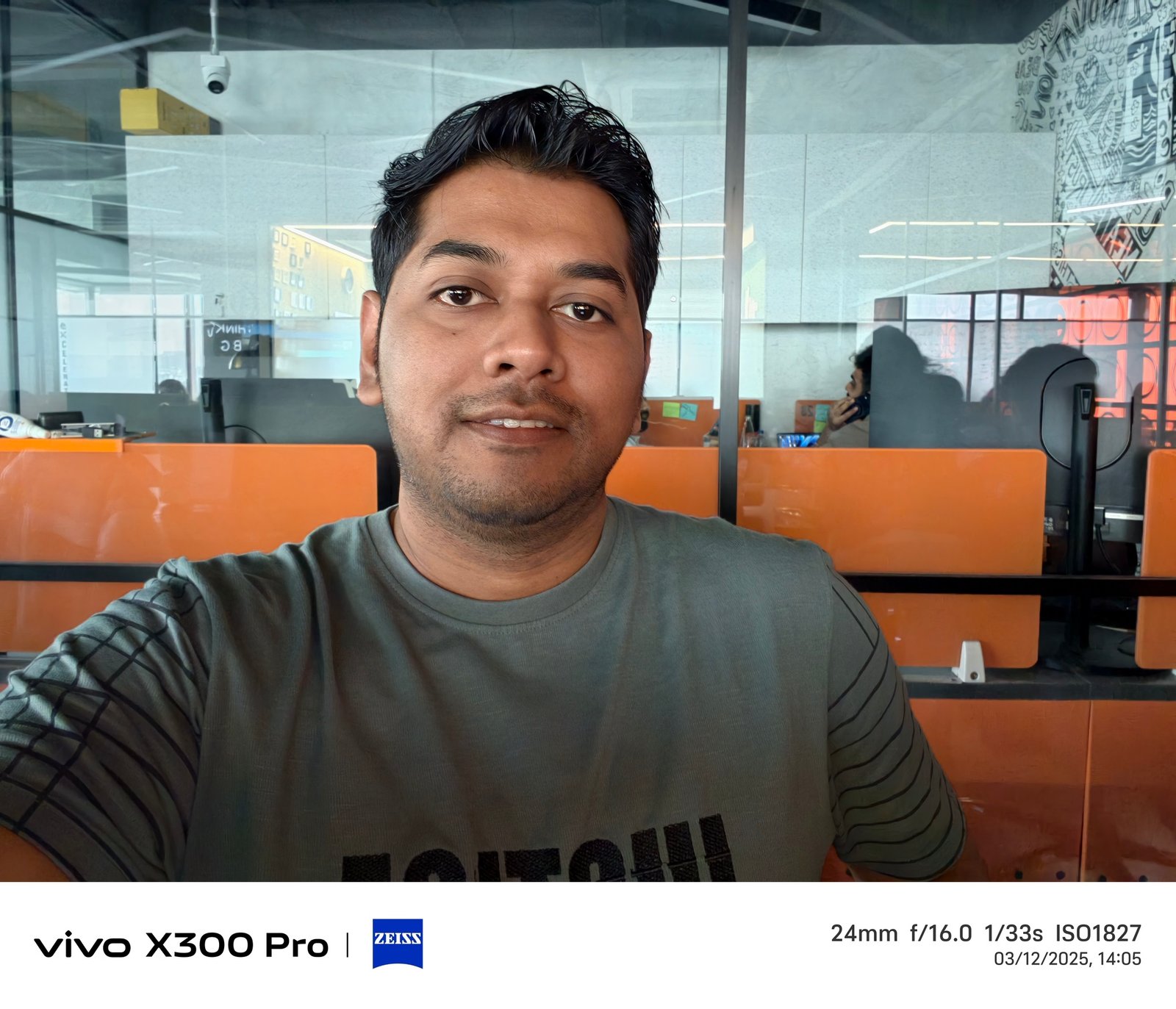
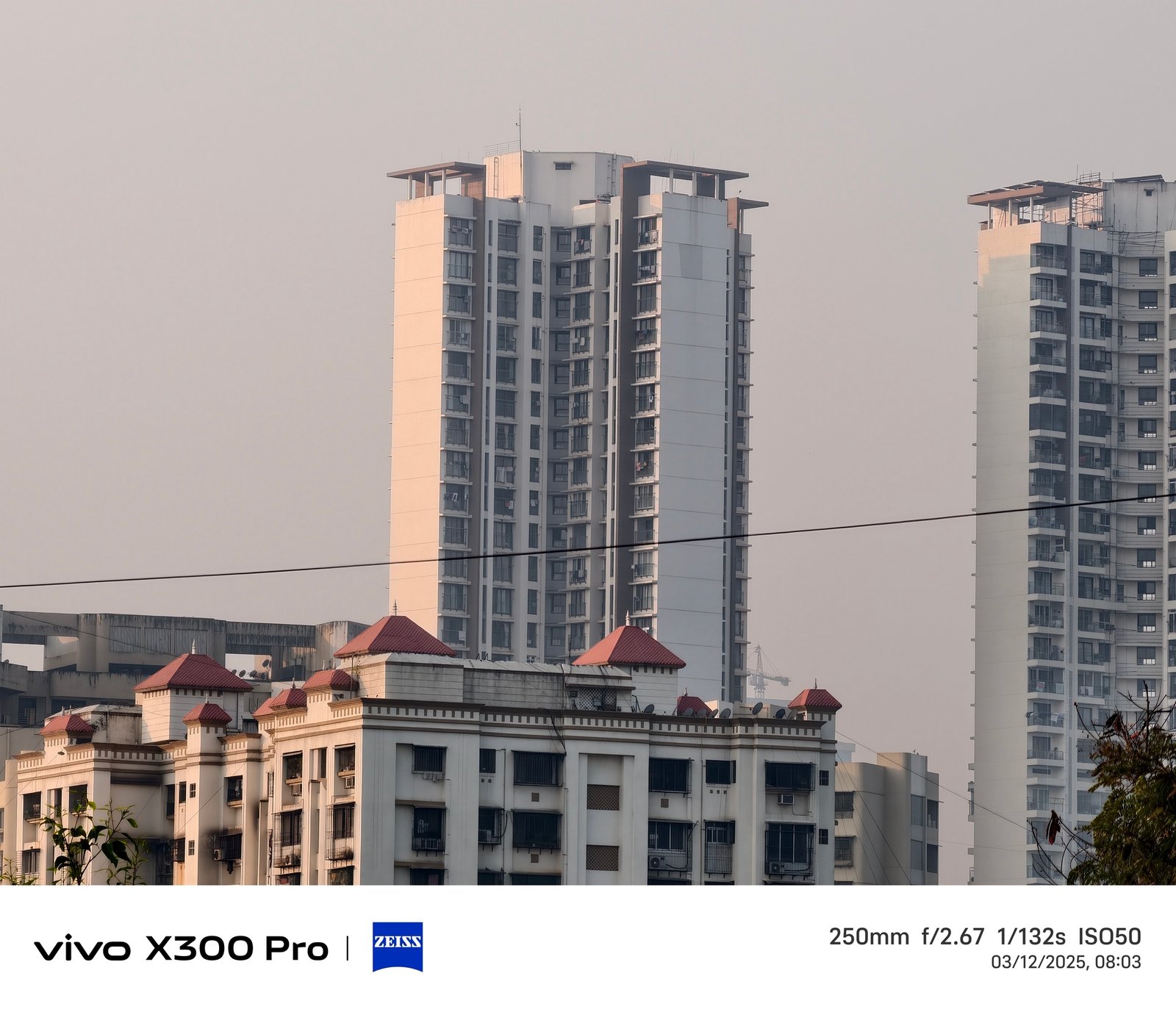

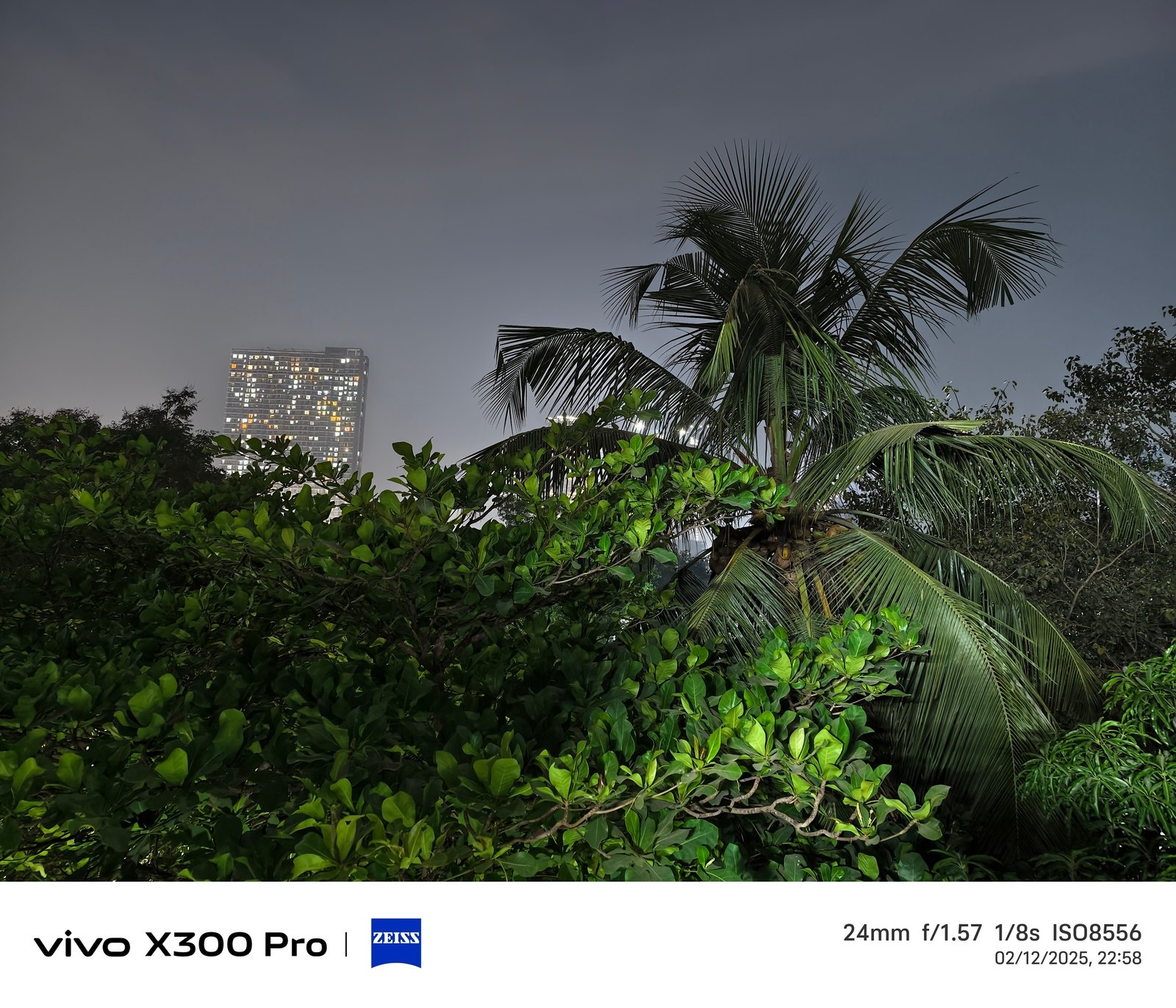
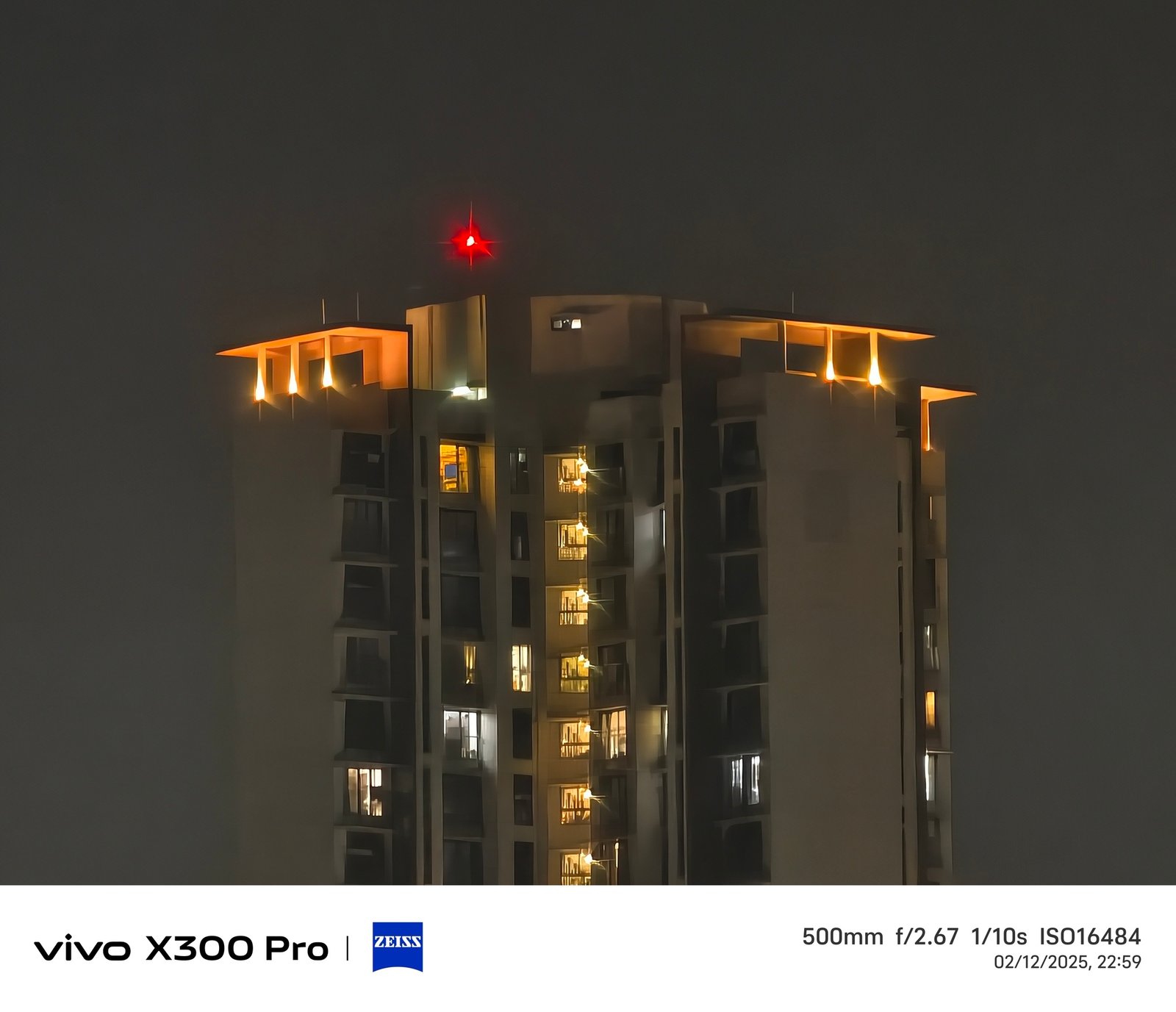
The low-light performance of the X300 Pro is impressive, rivaling the Galaxy S25 Ultra’s multi-frame processing and the Pixel 10 Pro’s computational capabilities. Night shots effectively capture light without over-sharpening, preserving textures such as fabric weaves or starry skies. Regarding videography, the camera can record at 8K@30fps, which is smooth but may be excessive for most users. Personally, I prefer shooting in 4K@60fps with Dolby Vision and 10-bit Log for professional editing.
Battery
The 6,510 mAh silicon-carbon battery is impressive, significantly outlasting the 5,000 mAh batteries found in competing devices. With moderate use, such as social media scrolling, photo editing, and streaming, it comfortably lasts a full day, retaining 27% charge by bedtime. For heavy activities like gaming or 4K video playback, you can expect around 8 to 9 hours of screen-on time. In our standardized test, we found that just 7% was drained after 30 minutes of 4K YouTube playback at maximum brightness, highlighting the battery’s efficiency.
Recharging is quick with the 90W FlashCharge, reaching 50% in just 15 minutes and fully charging in under 40 minutes. It also supports 50W wireless charging, but you’ll need a compatible charging pad. Additionally, the Adaptive Flash technology optimizes power consumption, and OriginOS includes battery health monitoring features.
Verdict
The vivo X300 Pro is a standout upgrade at ₹1,09,999, competing directly with the Samsung Galaxy S25 Ultra in imaging and efficiency thanks to the Dimensity 9500 and Zeiss optics. Its premium flat design feels bulky, but the display and performance impress. The camera, with its AI tools, caters perfectly to photographers, while the battery life ensures all-day reliability.
Is it the best smartphone? In camera capabilities, absolutely, surpassing even the Pixel 10 Pro. It’s ideal for gamers and multitaskers, with only minor drawbacks like the lack of a shutter button and some warmth. Vivo has truly delivered with the X300 Pro, marking it as future-proof excellence.