


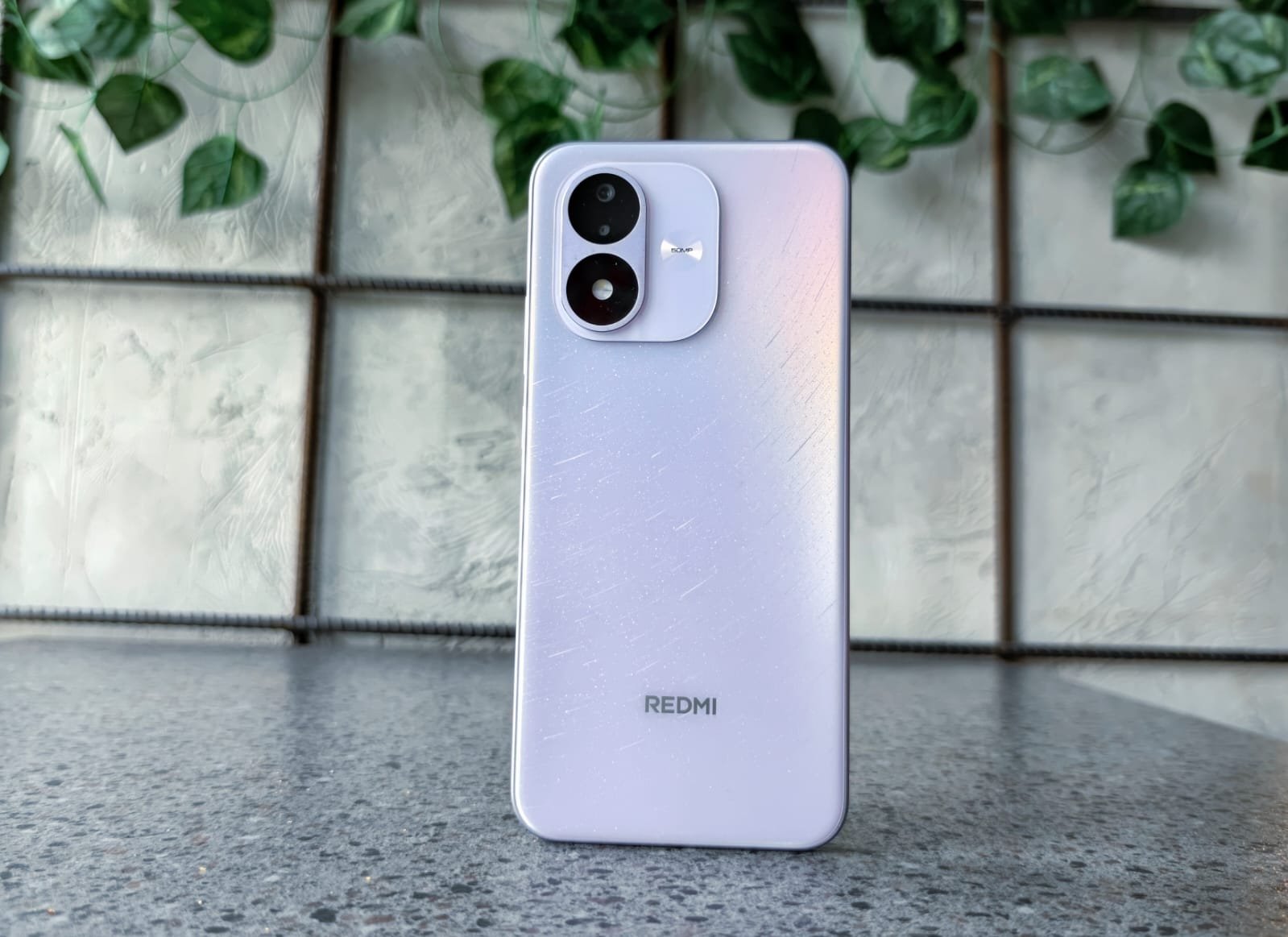
The Redmi Note 17 arrives in a crowded budget segment as one of the biggest battery phones you can buy right now. An 8000mAh silicon-carbon cell in a relatively slim body is no small feat, and Xiaomi has leaned hard into endurance and a massive screen. But is this actually the best phone you can get in this price range? After using it as my daily driver for a few weeks, here is my take.
Build & Design
Picking up the Redmi Note 17 for the first time feels different from most recent Note phones. It is big. The 7-inch flat AMOLED panel makes the whole device feel closer to a small tablet than a conventional smartphone. Dimensions sit around 169.7 x 79.1 x 8.4 mm, and it weighs 225 grams. That weight is surprisingly manageable for the size and battery capacity, but one-handed use is limited. I found myself constantly shifting grip or using two hands for longer sessions.
The design language has moved away from the more premium-looking curved edges of the previous generation. This one has flat sides and a plastic frame and back. The rear panel has a subtle texture in some colour variants that helps with grip and hides fingerprints reasonably well. I tested the Starlight Purple finish; it looks clean, though the plastic does not feel as premium as glass. Corning Gorilla Glass 7i protects the front, and the phone carries an IP65 rating. That means it handles dust and low-pressure water jets, but it is not something I would deliberately dunk. Rain and accidental splashes were fine during my time with it.
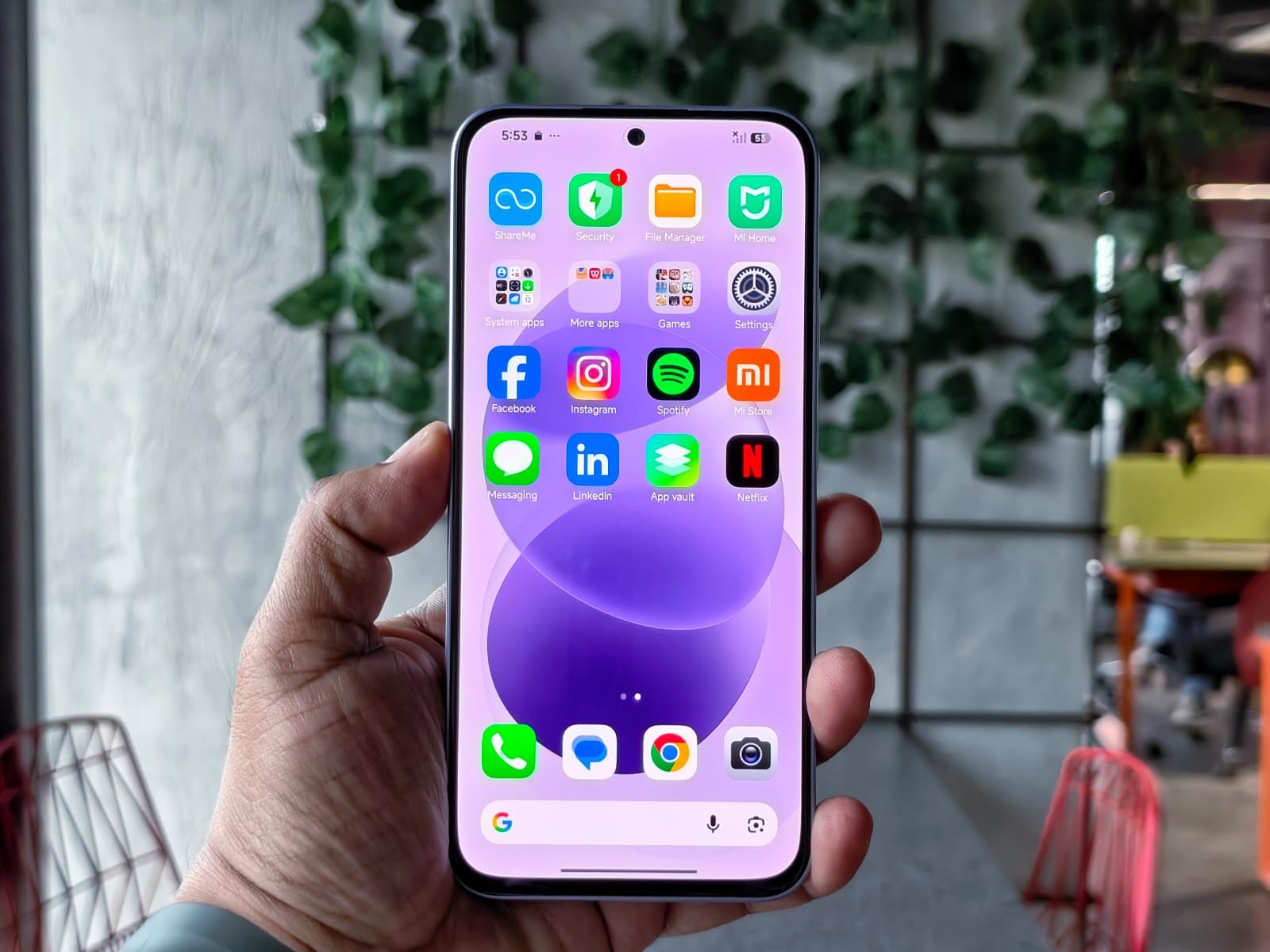
The under-display optical fingerprint sensor works reliably, even with slightly wet fingers, though its placement feels a bit low on such a tall device. The single bottom-firing speaker is functional for calls and casual video, but there is no stereo setup, which is noticeable when watching content. An IR blaster is present, which I used a few times for controlling appliances. Overall, the build prioritizes practicality and size over premium materials. It feels solid enough for daily carry, but it does not scream “high-end” in the hand.
Performance
Inside sits the Snapdragon 4 Gen 4, a 4nm chip with two Cortex-A78 cores and six A55 cores paired with an Adreno 613 GPU. Memory options are 6GB or 8GB of LPDDR4X RAM with 128GB or 256GB UFS 2.2 storage, expandable via microSD (shared SIM slot). I used the 8GB + 256GB variant.
Day-to-day tasks are handled without drama. Scrolling social media, messaging, browsing, YouTube, and light multitasking feel smooth thanks to the 120Hz display. HyperOS 3 on Android 16 is generally responsive, though Xiaomi’s software still carries some bloat and occasional ads in system apps that I found annoying. App loading is acceptable, but not snappy by 2026 standards.
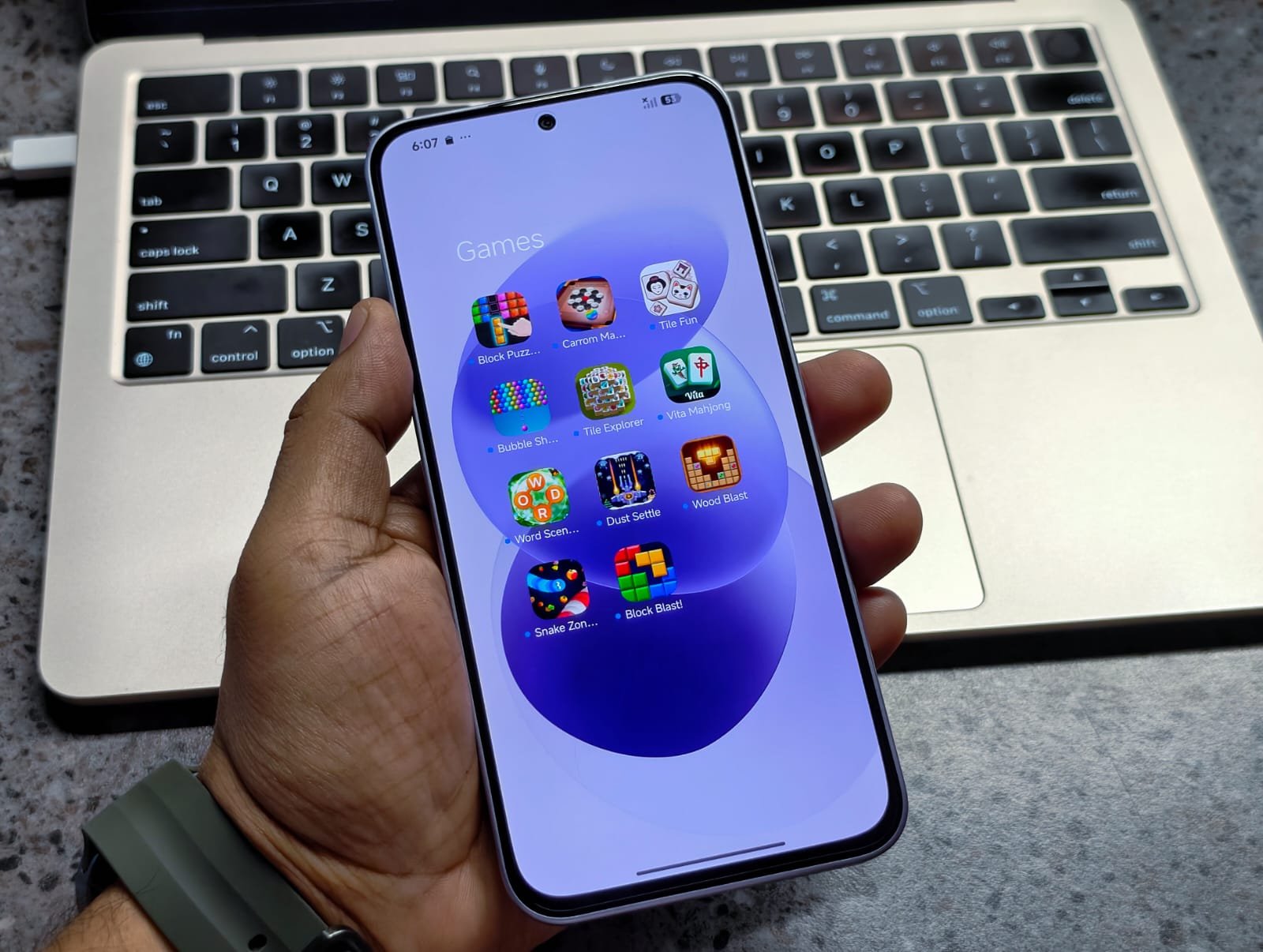
Gaming reveals the limits. Titles like Genshin Impact or heavier multiplayer games run at lower settings and can heat up under sustained load. Casual games and older titles are fine. The graphite cooling system helps keep temperatures in check better than expected for this chipset class, but this is clearly not a gaming phone. Multitasking with several apps open works adequately with 8GB RAM, though I occasionally saw background apps reloading.
Compared with last year’s Redmi Note 15 that used a stronger Snapdragon 6-series chip, this feels like a step sideways or slightly backward in raw power. Xiaomi has clearly traded peak performance for efficiency and battery life. For most users who primarily consume content, chat, navigate, and handle light productivity, it is perfectly usable. Power users or those who game regularly will feel the constraints.
Camera
The camera setup is deliberately simple: a single 50MP main sensor (f/1.8, PDAF) on the rear and an 8MP front camera. No ultrawide, no dedicated macro, no OIS. Video is capped at 1080p 30fps on both ends.
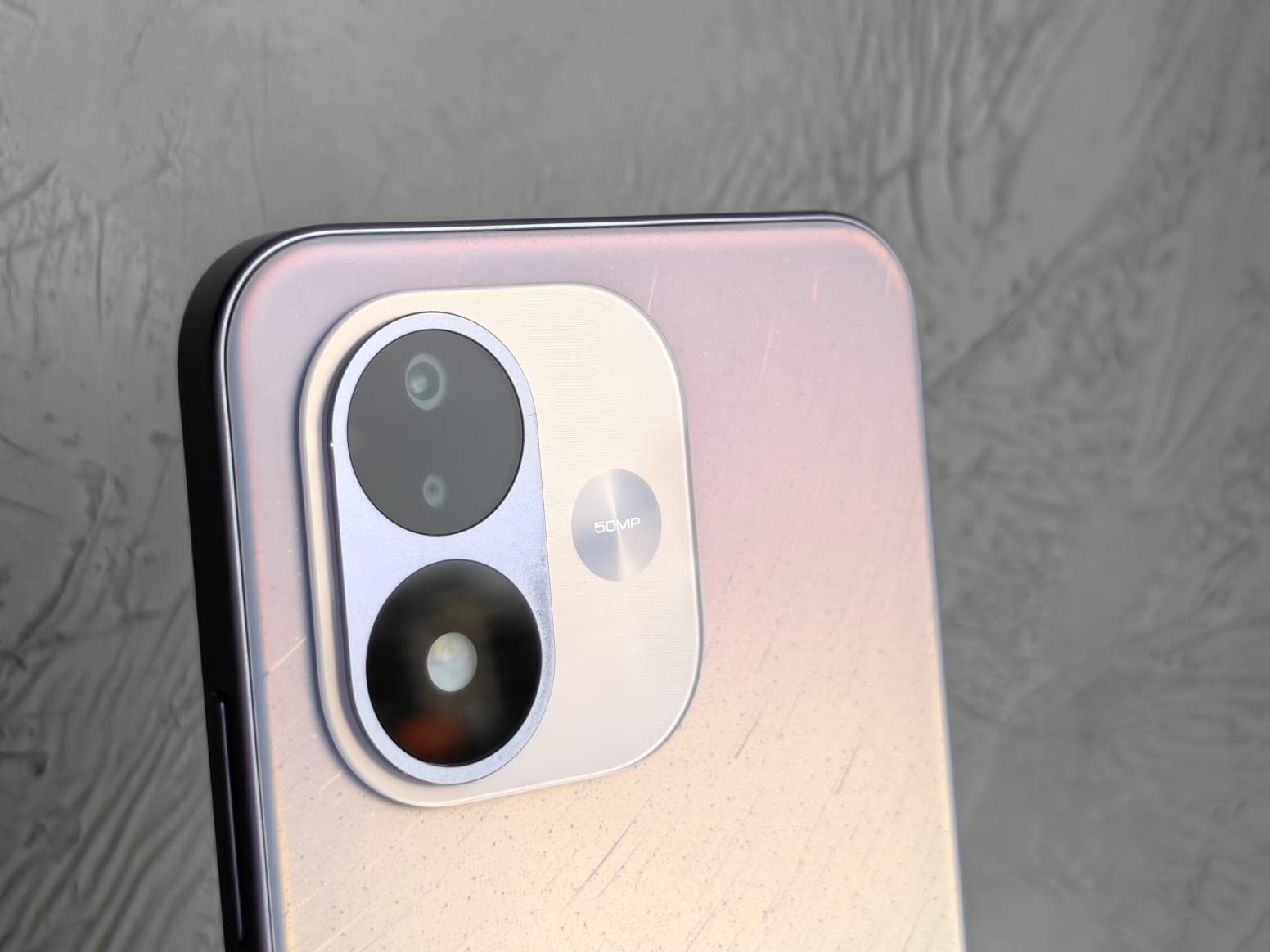
In good daylight, the main camera produces decent results. Colours are natural with a slight Xiaomi punch, dynamic range is acceptable, and detail is usable for social media and casual sharing. The 2x in-sensor zoom works better than expected for digital crop, though it softens quickly beyond that. Low light is where the limitations show. Without OIS or a larger sensor, night shots need steady hands and still come out softer with more noise. HDR helps in mixed lighting but can look a bit processed.
Selfies from the 8MP front camera are average. They are fine for video calls and casual snaps but lack the detail and dynamic range of higher-resolution sensors found on competitors. Portrait mode does a reasonable job of edge detection outdoors but struggles with complex backgrounds or low light.
I shot a mix of everyday scenes, food, travel, and indoor moments. The results are “good enough” rather than impressive. If photography is a priority, this phone will disappoint compared with many rivals in the same budget that still offer multi-lens setups or stronger main sensors. For documentation, WhatsApp sharing, and occasional social posts, it gets the job done without frustration.
Battery
This is where the Redmi Note 17 truly shines and justifies its existence. The 8000mAh silicon-carbon battery is enormous. In real-world mixed use that included social media, navigation, streaming, photography, and some gaming, I consistently finished a full day with 40-50% remaining. On lighter days focused on messaging, browsing, and media consumption, two full days were easy, and three days of very light use were achievable.
Heavy navigation or continuous outdoor use still left me with enough charge for a second day in many cases. The efficiency of the Snapdragon 4 Gen 4 combined with the large cell and optimized software makes battery anxiety essentially disappear. Screen-on time regularly crossed 10-12 hours without trying.
Charging is 45W wired. A full charge from near empty takes roughly 90-110 minutes with the included charger. A 30-minute top-up gives enough juice for a solid day of moderate use. The 22.5W reverse wired charging is genuinely useful; I used it a couple of times to top up earbuds and even my iPhone. Battery health features and the claimed high cycle life give some confidence for longer-term ownership.
After two weeks of use, the Redmi Note 17 stands out for its impressive 7-inch 120Hz AMOLED display and exceptional 8000mAh battery life, making it great for media consumption and minimizing charging needs. However, it has trade-offs, such as adequate performance, a basic camera limited to 1080p, low storage options with a shared microSD slot, and a plastic build. Priced around ₹28,000-31,000 in India, it's best suited for users prioritizing battery life and a large display for everyday tasks like messaging and browsing, though it may fall short against rivals with better performance and features. Overall, if endurance is your primary concern, the Redmi Note 17 delivers well in that niche.
-
Build & Design
-
Performance
-
Battery
-
Camera
1 Comment
Pingback: Xiaomi launches REDMI Note 17 Pro Series in India