


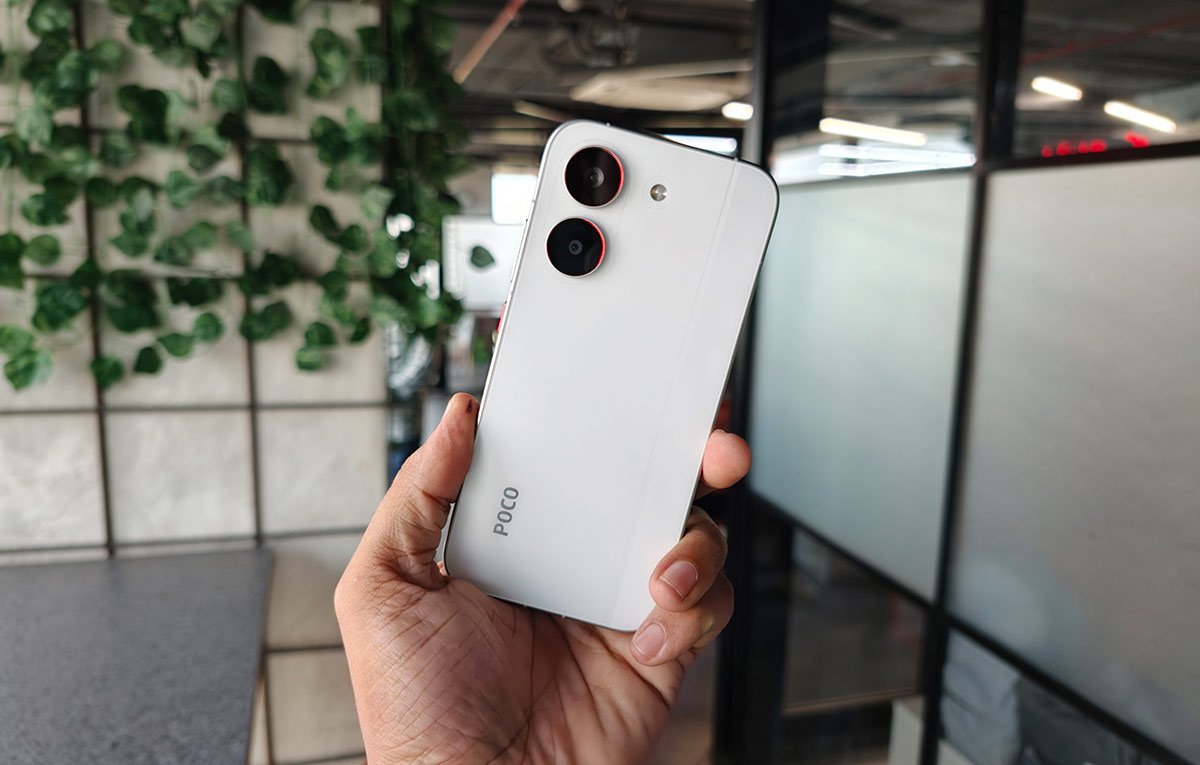
Verdict
Rather than chasing flashy gimmicks, POCO has focused on the fundamentals that matter to a large section of buyers: a great display, excellent battery life, reliable performance, loud speakers, and solid everyday usability.
The cameras on the POCO X8 Pro are merely good, and the software still needs refinement. But if your smartphone spends more time running games, videos, social media, and productivity apps than acting as a professional camera, the X8 Pro makes a strong case for itself.
At ₹34,999, it's a phone that knows exactly what it wants to be, and more importantly, delivers on that promise.
The Good
- Excellent battery life
- Powerful chipset
- Smooth display
- Solid build
The Bad
- Average cameras
- Software bloat
-
Design
-
Display
-
Sound
-
Camera
-
Performance
-
Software
-
Battery Life
Not too long ago, we reviewed the POCO X8 Pro Max and later spent enough time with it to bring you a long-term review as well. It turned out to be one of those phones that simply got on with the job without demanding too much attention. Now, we have the POCO X8 Pro in for review, specifically the 8GB RAM variant priced at ₹34,999.
The funny thing is, this phone doesn’t feel dramatically different from its bigger sibling. That’s both its biggest strength and its biggest challenge. I liked what POCO did with the Pro Max, and I felt right at home here. The question is whether the slightly lower price and trimmed-down package still make sense in a segment packed with competition.
Design
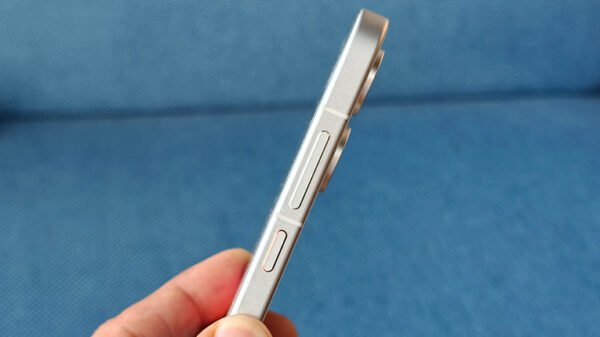
POCO has settled into a design language that’s instantly recognizable. The X8 Pro feels solid in hand, with a flat frame and a large camera module that gives it a purposeful look. The rear panel doesn’t scream “gaming phone,” but subtle touches like the lighting elements around the camera setup hint at the performance-focused hardware underneath.
At around 200 gms, it isn’t feather-light, but it never felt cumbersome during daily use, which is quite unlike the Max version that quite annoyed me with its weight. The build quality inspires confidence, and unlike some flashy competitors, this is a phone that can comfortably fit into both a boardroom and a gaming session.
The RGB rings around the camera module are a nice touch. They’re subtle enough not to make the phone look like a gaming accessory, but distinctive enough to give it some personality when notifications, charging animations, or gaming effects kick in.
Display & Sound
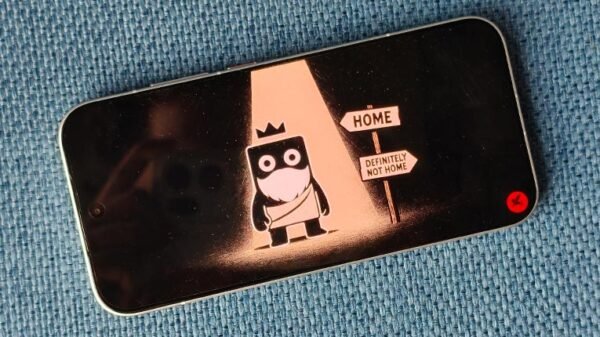
The display is one of the highlights.
The 120Hz AMOLED panel is sharp, vibrant and smooth enough that going back to a 60Hz screen feels painful. I watched the entire India vs Afghanistan Test match on this device, having plonked it beside my work PC. It’s safe to say that the visuals were crisp and rendered the action in a satisfactory manner. I also caught up on an episode of Spider-Noir, both in colour and black-and-white and was blown away by the kind of contrast the screen generated with its 3500 nits of peak brightness.
Speaking of the brightness, it’s also more than adequate outdoors. Even under Mumbai’s unforgiving afternoon sun, I rarely found myself hunting for shade to read messages. The stereo speakers deserve praise too. They get loud without becoming harsh and offer enough separation to enjoy videos without immediately reaching for earbuds.
Camera
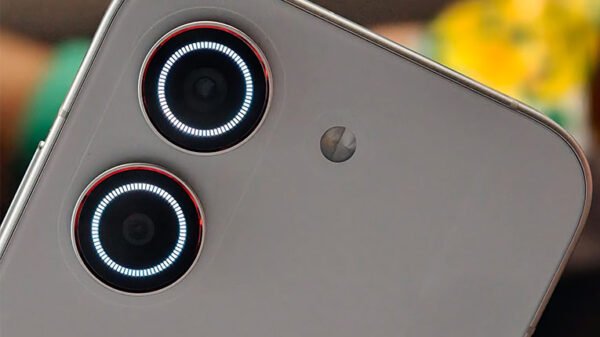
The cameras are where the X8 Pro starts showing its priorities.
The primary sensor is capable of capturing pleasing photos in daylight. Colours are punchy, dynamic range is respectable, and social-media-ready shots are easy to achieve. Point, shoot, upload. Most people will be perfectly happy.
Things get less impressive once the sun goes down. Night shots often require a steady hand, and details can become inconsistent. The secondary cameras feel more like supporting actors than stars in their own right.
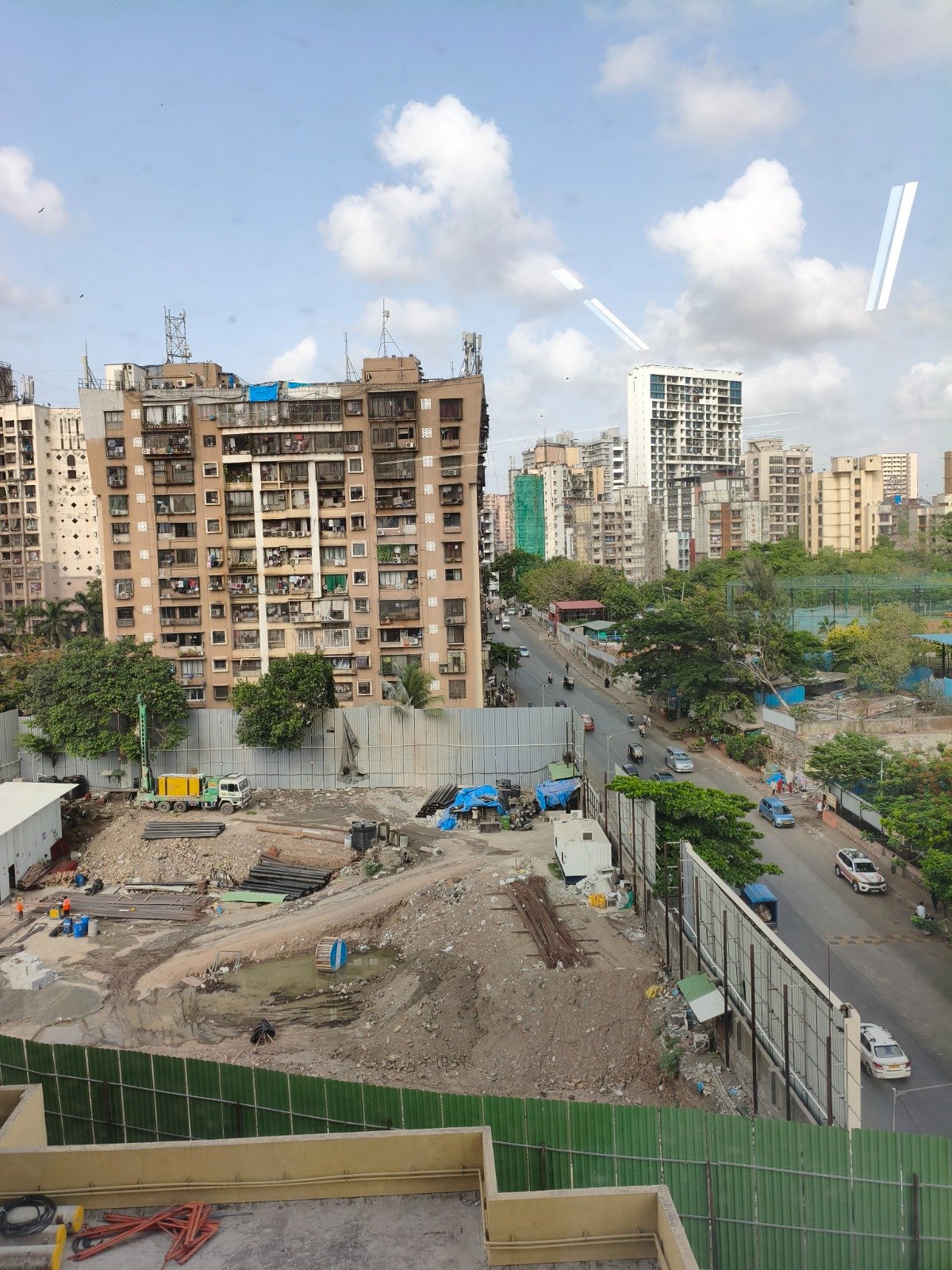



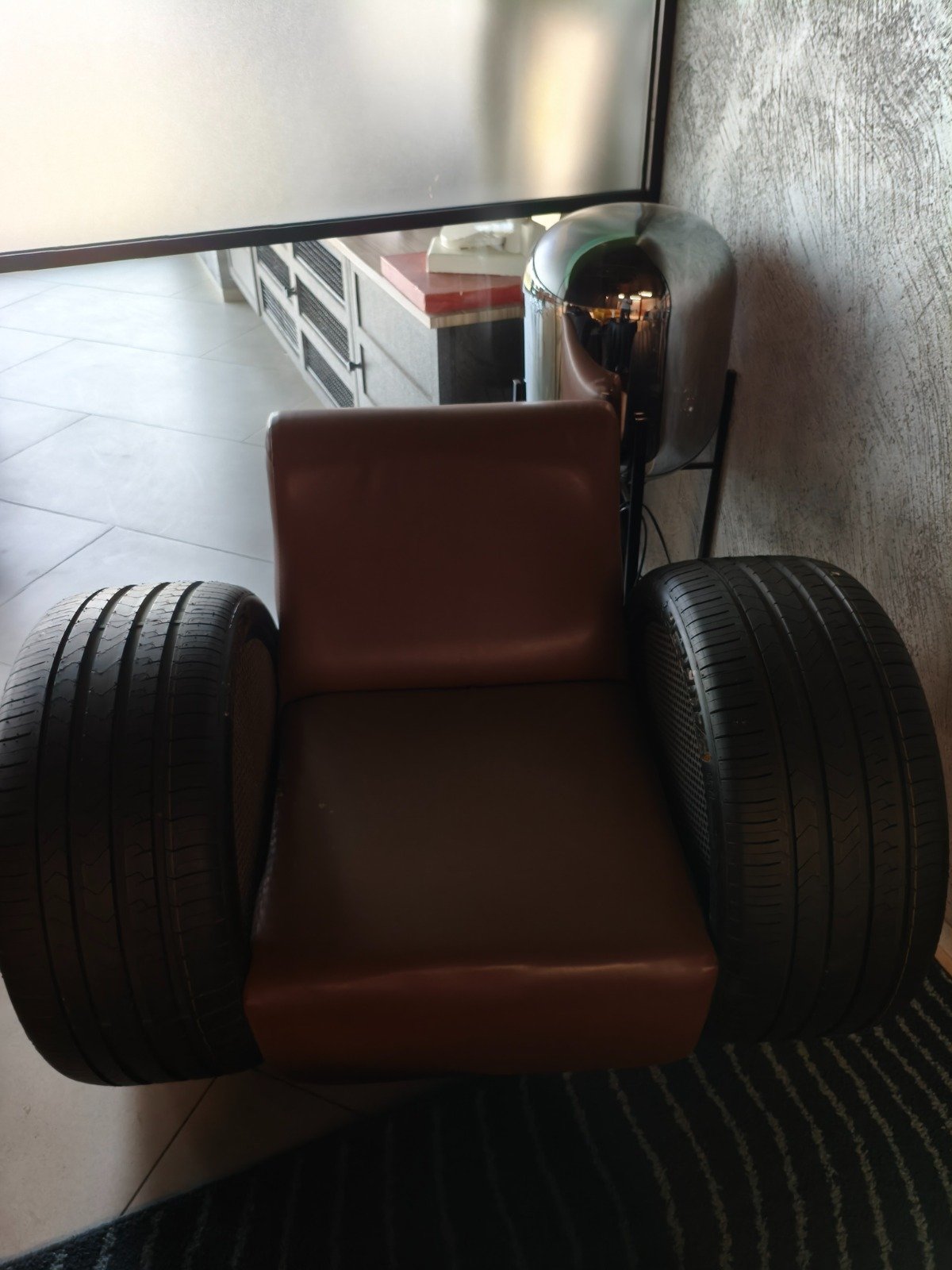



During a weekend drive, I used the X8 Pro to shoot roadside scenery, food photos, and some quick portraits. The results were good enough for Instagram Stories and casual sharing, but if photography is high on your priority list, there are stronger camera-focused options in this price range.
Performance
This is where the POCO earns its keep.
Powered by the MediaTek Dimensity 8500 Ultra chipset, the phone never felt short on performance. The 8GB RAM variant handled everything I threw at it without complaint.
Switching between Chrome tabs, Lightroom edits, WhatsApp, Spotify, and social media apps felt effortless. More importantly, gaming performance is excellent.
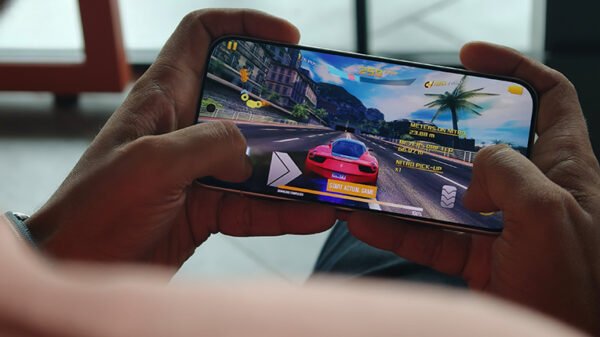
I spent time with BGMI, Call of Duty Mobile, and Asphalt Legends. Frame rates remained stable, touch response felt immediate, and thermal management was surprisingly good. Even after longer gaming sessions, the phone became warm rather than uncomfortable.
This is the sort of device that quietly gets out of your way and lets you focus on what you’re doing.
Software
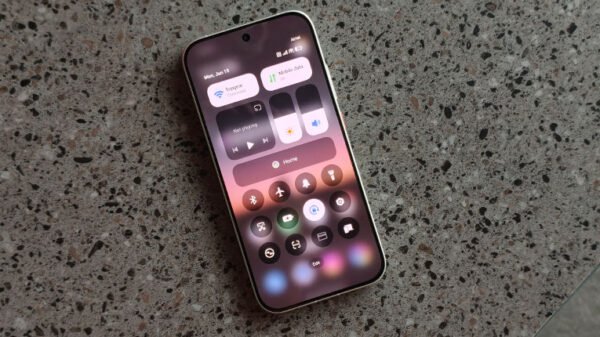
HyperOS remains the one area where POCO still has work to do.
The software is feature-rich and generally fluid, but the amount of pre-installed apps can be frustrating. Some can be removed, some cannot, and the overall experience occasionally feels busier than it needs to be.
The good news is that once you spend fifteen minutes cleaning things up, day-to-day usage is largely pleasant. Animations are smooth, multitasking is effortless, and useful features are scattered throughout the interface.
Still, competitors offering cleaner software experiences have an advantage here.
Battery Life
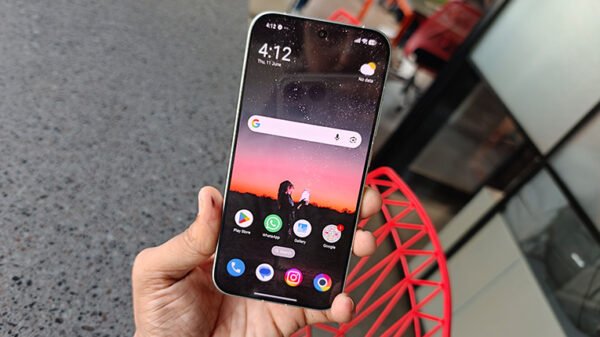
Battery anxiety simply isn’t a thing on the X8 Pro.
The 6,500mAh battery is massive and easily carried me through a full day that included navigation, photography, social media, video streaming, and gaming.
On lighter days, I consistently ended with over 30 percent remaining before bedtime.
100W Fast charging helps too. Plugging the phone in during breakfast often provided enough charge to comfortably get through most of the day.
For travellers, commuters, and heavy users, battery life is one of the phone’s strongest selling points.
1 Comment
Pingback: POCO M8 Power Goes on Sale in India with 8000mAh Battery